
Tokyo, Japan
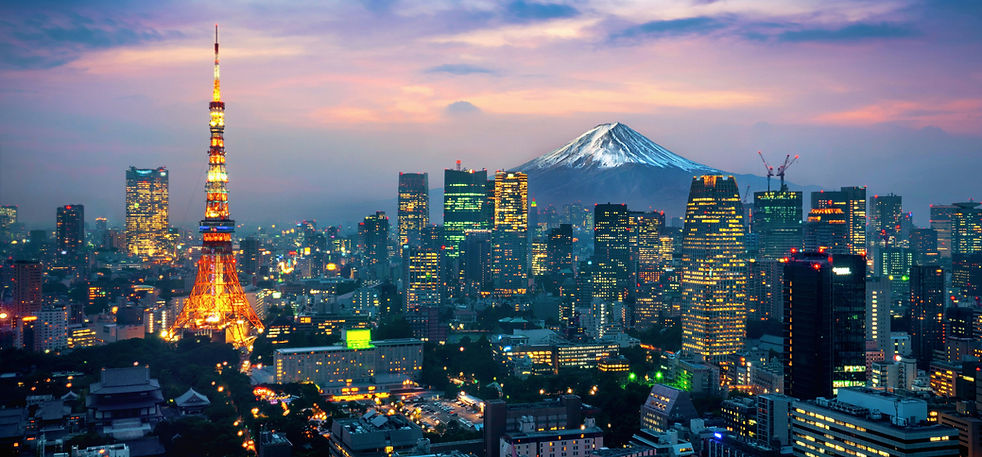
The world's largest metropolitan area and a city of extraordinary contrasts — Tokyo combines centuries of refined cultural tradition with the most advanced urban infrastructure on earth, offering professionals a training environment of unique intellectual stimulation and operational precision.
WHY TOKYO
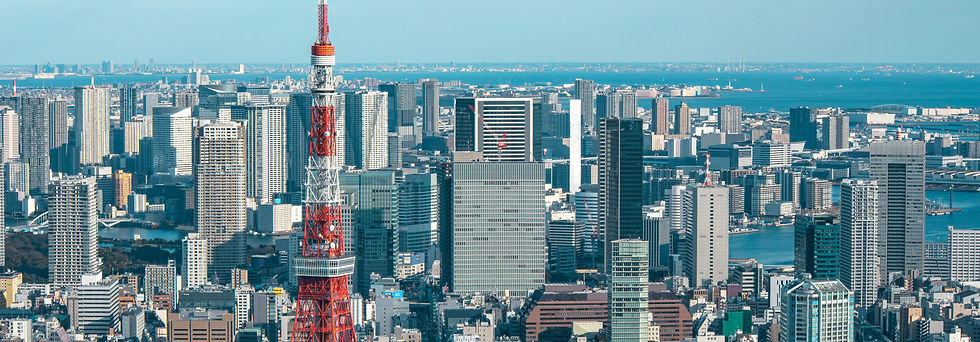
The world's most ambitious city
Tokyo is a city that consistently defies expectation — the world's most populous metropolitan area operates with a precision, cleanliness, and efficiency that sets a global standard for urban governance and institutional performance. For professionals from the GCC, Africa, and across Asia, training in Tokyo offers something beyond skills development: it offers immersion in a society where excellence, attention to detail, and continuous improvement are not aspirations but cultural norms — lessons that transcend the classroom and reshape the delegate's professional worldview.
Asia's financial powerhouse
Home to the Tokyo Stock Exchange — Asia's largest — and the headquarters of major global financial institutions, automotive companies, and technology conglomerates. The world's third-largest economy by GDP.
World's best airport
Narita (NRT) and Haneda (HND) airports together offer direct or one-stop connections from Dubai, Riyadh, Doha, Nairobi, and major African cities via Japan Airlines and ANA.
Exceptionally safe
Consistently ranked among the world's safest cities. Delegates can navigate Tokyo independently with complete confidence at any hour — one of the most reassuring qualities for first-time visitors from any background.
A living model of excellence
Tokyo's legendary commitment to quality, precision, and continuous improvement — the concept of kaizen — creates a training environment unlike any other city in the portfolio.
CULTURE & ATTRACTIONS
Beyond the classroom
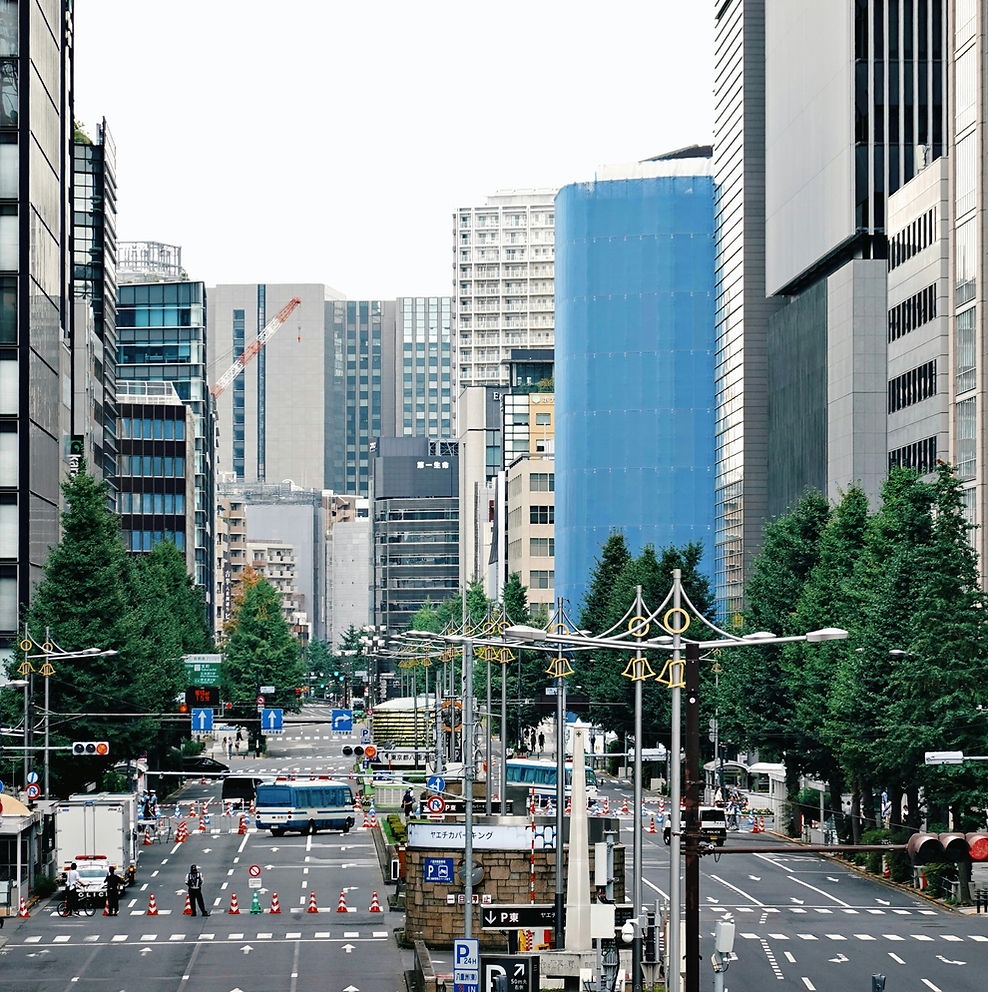
Tokyo is one of the world's most extraordinary cities to explore — a metropolis where ancient Shinto shrines stand in the shadow of glass towers, where the world's finest cuisine is served in basement restaurants, and where every neighbourhood reveals an entirely different character and depth.
Attraction
What to expect
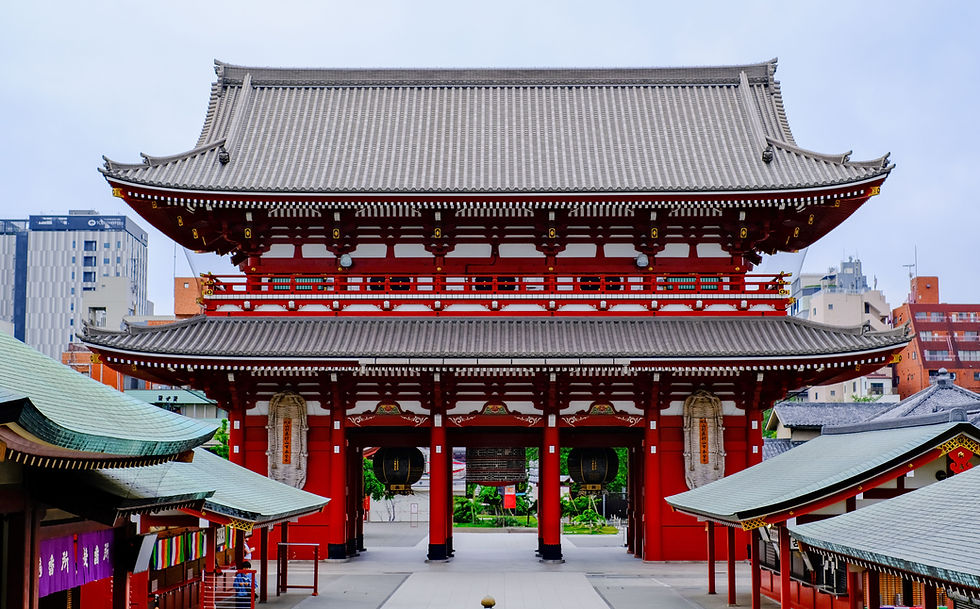
Senso-ji Temple, Asakusa
Tokyo's oldest and most celebrated temple, founded in 645 AD. The Nakamise shopping street leading to the temple gate is one of the most atmospheric approaches to any religious site in Asia.
Shinjuku & Shibuya
Two of Tokyo's most electrifying districts. Shinjuku offers the world's busiest railway station and the tranquil Shinjuku Gyoen garden. Shibuya's famous crossing — the world's busiest pedestrian intersection — is an unmissable spectacle.
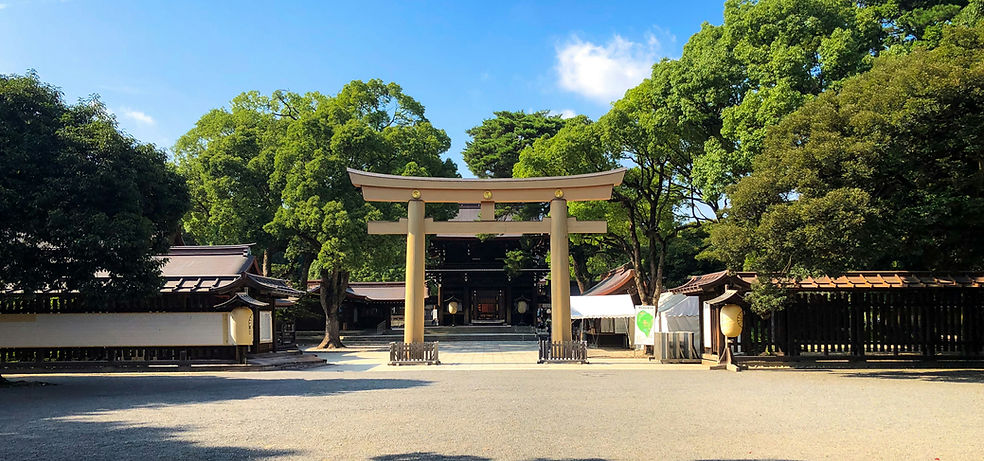
Meiji Shrine & Harajuku
A serene Shinto shrine set within 70 hectares of ancient forest at the heart of the city — a profound contrast to the surrounding urban energy. The adjacent Harajuku district offers Tokyo's most celebrated street culture scene.
Tokyo National Museum
Japan's oldest and largest museum, housing the world's finest collection of Japanese art and antiquities — from prehistoric Jomon pottery to magnificent samurai armour spanning over 12,000 works.
Tsukiji Outer Market
The outer market of Tokyo's legendary former fish market — an early-morning spectacle of extraordinary freshness and variety, widely considered the greatest food market experience in the world.
teamLab Borderless & Planets
Two of the world's most celebrated digital art installations — immersive environments where visitors move through ever-changing projections of light, colour, and sound. Among the most remarkable cultural experiences in contemporary Tokyo.
Ueno Park & Museums
Tokyo's cultural heartland — Ueno Park houses the National Museum, the Tokyo Metropolitan Art Museum, the National Museum of Nature and Science, and the Ueno Zoo within a single expansive park.
Mount Fuji (day trip)
Japan's iconic sacred mountain, approximately 90 minutes from central Tokyo by Shinkansen or express bus. The view of Fuji from the Chureito Pagoda above Fujiyoshida is one of the most photographed landscapes in the world.
WEATHER
What to expect throughout the year
Tokyo has a humid subtropical climate with four well-defined seasons. Spring and autumn are widely considered the finest times to visit — mild temperatures and the spectacular natural displays of cherry blossoms in April and autumn foliage in November make these seasons particularly memorable.
Season
Temperature
Notes
Spring (Mar–May)
8°C – 20°C
Cherry blossom season in late March to April. Mild and pleasant. One of the finest seasons to visit — book accommodation well in advance.
Summer (Jun–Aug)
22°C – 34°C
Hot and humid. Rainy season in June. All venues fully air-conditioned. Evening festivals from July onwards.
Autumn (Sep–Nov)
10°C – 24°C
Crisp and clear. Spectacular autumn foliage from late October. Excellent for training and city exploration.
Winter (Dec–Feb)
2°C – 12°C
Cool and dry. Clear skies offer the finest views of Mount Fuji. Occasionally light snow in January and February.
Dress Code Guidance
Context
Recommended Attire
Training sessions
Smart business or casual attire. Tokyo's professional culture is formal and presentation-conscious — delegates are encouraged to dress smartly and conservatively. Business cards should be presented and received with both hands as a mark of respect.
City exploration
Comfortable walking shoes are essential. Layers are advisable in spring and autumn. A compact umbrella is useful year-round. Light, breathable clothing in summer; a warm coat from December through February.
GETTING AROUND
Navigating the city
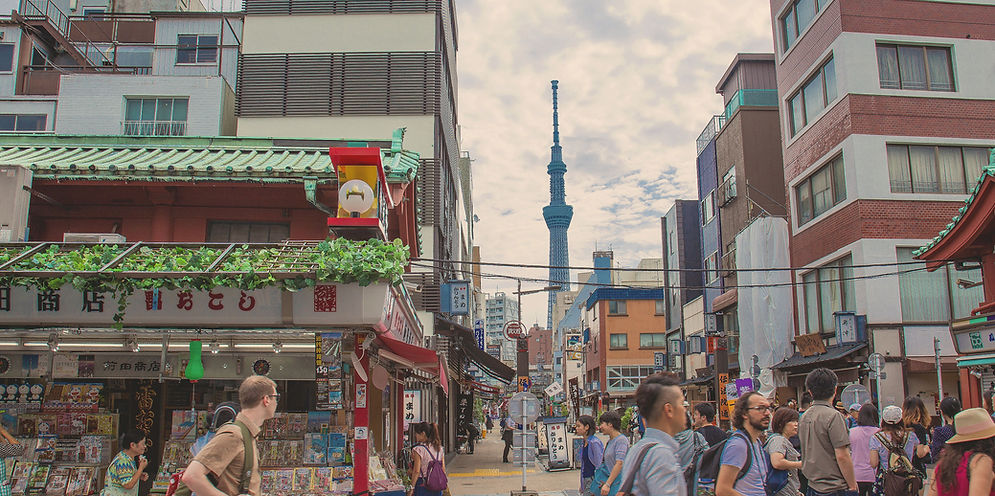
Tokyo has the world's most extensive and punctual urban rail network — over 150 lines covering every corner of the metropolitan area. The system is renowned for its extraordinary reliability, cleanliness, and precision. A Suica or Pasmo IC card is the most convenient way to travel across all rail, Metro, and bus services.
Mode
Deatils
Tokyo Metro & Toei subway
13 subway lines covering the central city. Runs approximately 05:00 to midnight daily. Fully air-conditioned, immaculately clean, and punctual to the minute. A Suica or Pasmo IC card — available at all station vending machines — is accepted across all subway, JR, and most bus services. Station signs in English throughout central Tokyo.
JR Yamanote Line
The circular JR Yamanote Line connects all of Tokyo's major districts — Shinjuku, Shibuya, Harajuku, Ueno, Akihabara, and Tokyo Station — in a single loop. Trains every 3-4 minutes during peak hours. The single most useful train line for delegates navigating between training venues and key attractions.
Airport connections
Narita Airport (NRT): Narita Express (N'EX) to Shinjuku in approximately 80 minutes. Haneda Airport (HND): Keikyu Line to Shinagawa in approximately 13 minutes — the closer and more convenient airport for central Tokyo. Both airports are also well served by limousine buses and taxis.
Taxis and Ride Handling
Tokyo taxis are immaculately clean, fully metered, and operated to the highest professional standards. GO and S.RIDE are the principal ride-hailing apps. Recommended for late-night travel after the subway closes or for journeys with heavy luggage.
Walking
Many of Tokyo's most rewarding experiences are discovered on foot. Shibuya, Harajuku, Omotesando, Shinjuku, Ueno, and Asakusa are all highly walkable within their respective districts. The combination of walking and the Yamanote Line covers the vast majority of destinations efficiently.
PRACTICAL INFORMATION
Before you arrive
Key practical details to help delegates from across the GCC, Africa, and Asia prepare for a comfortable and productive visit to Tokyo.
Topic
Information
Currency
Japanese Yen (JPY). Japan remains a predominantly cash-based society — carrying a reasonable amount of cash is strongly advisable for smaller restaurants, markets, shrines, and transport top-ups. ATMs at 7-Eleven and Japan Post accept international cards reliably.
Time Zone
JST (UTC+9) year-round — Japan does not observe daylight saving time. Tokyo is 6 hours ahead of Riyadh, 5 hours ahead of Dubai, 9 hours ahead of London in winter, and 6 hours ahead of Nairobi.
Electricity
Type A plug (two flat pins), 100V / 50-60Hz. Japan's voltage (100V) is lower than the international standard. Most modern devices support dual voltage — check your device labelling. GCC, African, European, and UK delegates will all require a Japanese travel adaptor.
Halal Dining
Tokyo's halal food scene has grown significantly in recent years. Halal-certified restaurants are available throughout central Tokyo, particularly in Shinjuku, Shibuya, and Asakusa. The Muslim-friendly Tokyo app and Japan Muslim Guide are useful resources for delegates seeking certified options near their training venue.
Places of Worship
Tokyo Camii (Tokyo Mosque) in Yoyogi-Uehara is Japan's largest mosque — a magnificent Ottoman-inspired building open to visitors and worshippers. A Qibla direction indicator is available on request at most international hotels. Muslim delegates are advised that the Muslim Pro app provides accurate prayer times and Qibla direction worldwide. Christian delegates are equally well served — Tokyo has numerous Catholic, Protestant, and international churches throughout the city.
Language
Japanese is the official language. English signage is excellent throughout central Tokyo on the Metro, at major attractions, and in large hotels. English is widely spoken in hotels and business settings. All training courses are delivered in English. Basic Japanese phrases such as Arigatou gozaimasu (thank you) are warmly appreciated.
Ready to train in Tokyo?
Browse our full programme of courses and reserve your place today.
