
Edinburgh, United Kingdom
One of the most dramatic and intellectually distinguished cities in Europe — Edinburgh combines a magnificent medieval and Georgian cityscape, a world-renowned university heritage, and a thriving financial services sector, creating a training environment of exceptional prestige and character within the United Kingdom.
WHY EDINBURGH
Scotland's intellectual capital
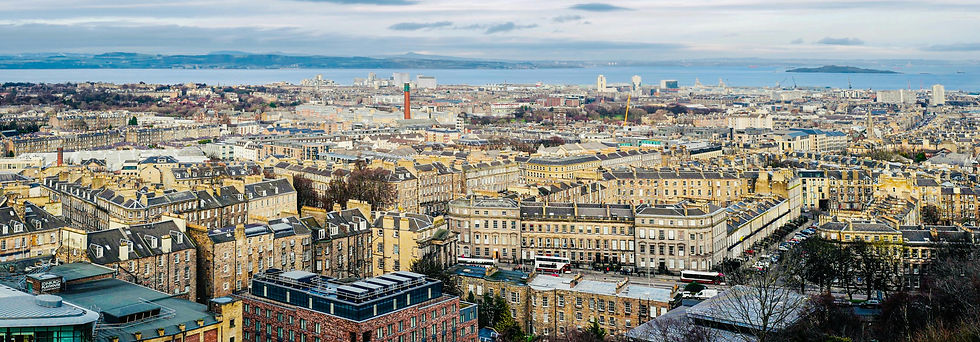
Edinburgh is a city of remarkable intellectual depth — the birthplace of the Scottish Enlightenment, home to one of the world's oldest and most prestigious universities, and the capital of a nation that has contributed disproportionately to modern science, philosophy, medicine, and economics. As a training destination, Edinburgh offers something genuinely distinct from London — a more intimate, manageable city with a stronger sense of identity and history, outstanding financial services infrastructure, and a cultural life that is among the richest of any city its size in the world.
UK's second financial centre
The second-largest financial centre in the United Kingdom — home to major banking, asset management, and insurance institutions, and a key node in the UK's professional services ecosystem.
Well connected
Edinburgh Airport (EDI) offers direct or one-stop connections from Dubai, Riyadh, Doha, and major African cities. Frequent rail services connect Edinburgh to London in approximately 4.5 hours.
World-class academic heritage
Home to the University of Edinburgh — one of the world's top 20 universities — and a city shaped by the Scottish Enlightenment thinkers who laid the foundations of modern
economics, philosophy, and medicine.
Part of our home country
As a UK-registered institute, Edinburgh is part of our home nation — offering delegates the full credibility of a British training environment combined with Scotland's distinctive intellectual and cultural identity.
CULTURE & ATTRACTIONS
Beyond the classroom
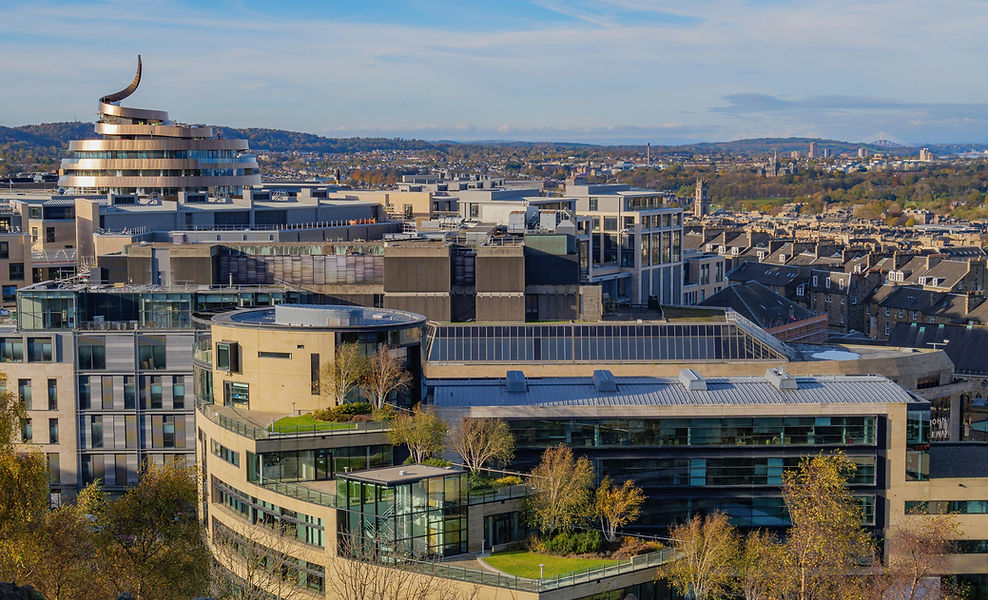
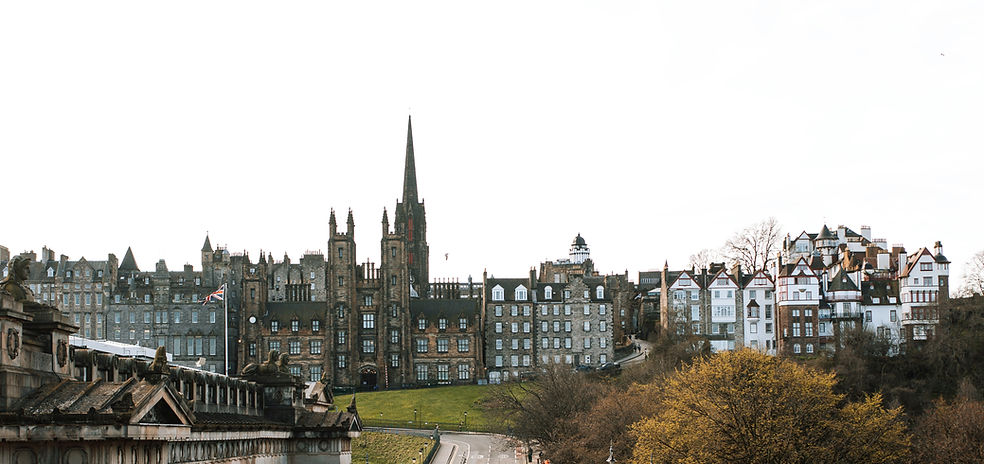
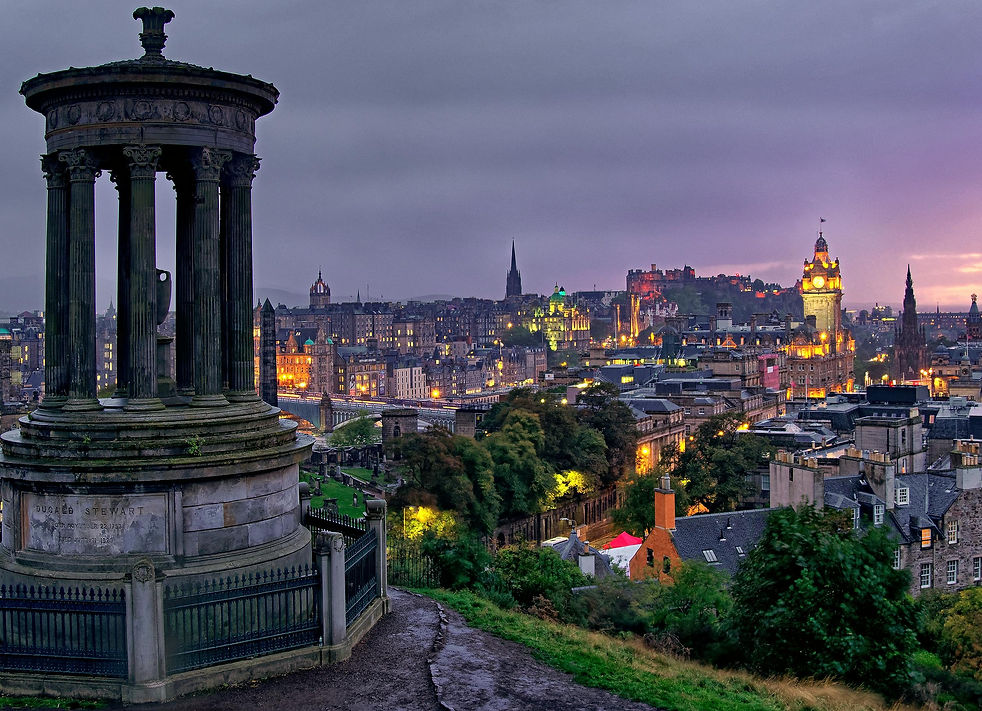
Edinburgh is one of the most rewarding cities in the United Kingdom to explore — a compact, walkable city of extraordinary architectural beauty where medieval castle, Georgian terraces, and striking modern architecture exist in remarkable harmony, and where world-class museums and galleries are all within easy walking distance of any central training venue.
Attraction
What to expect
Edinburgh Castle
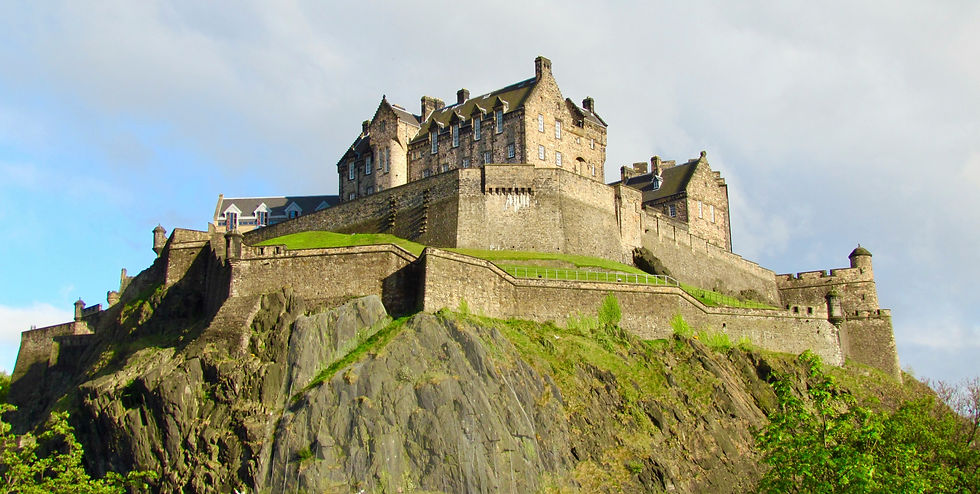
The defining landmark of Scotland — a fortress perched on an ancient volcanic plug above the city, housing the Scottish Crown Jewels, the Stone of Destiny, and over 1,000 years of Scottish royal and military history. The views from the castle esplanade are extraordinary.
The Royal Mile & Old
Town
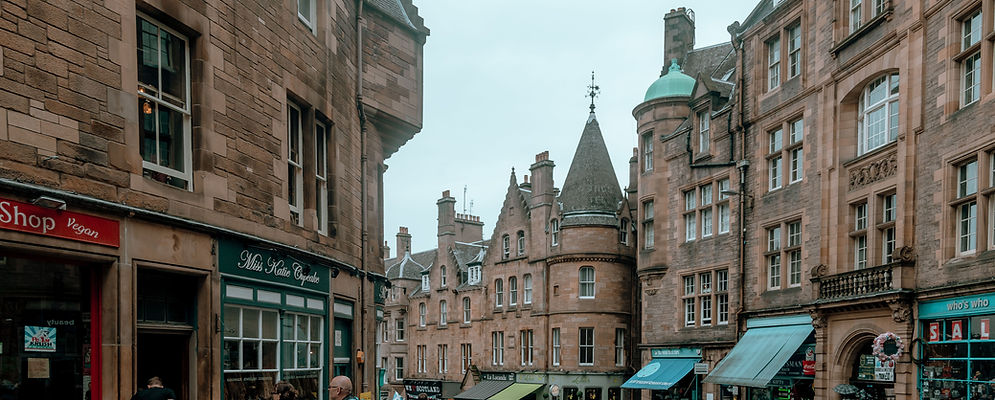
The historic spine of Edinburgh — a kilometre-long medieval street connecting Edinburgh Castle to the Palace of Holyroodhouse, flanked by closes, wynds, and historic buildings of extraordinary character. The Old Town is a UNESCO World Heritage Site.
Palace of Holyroodhouse
The official Scottish residence of the British monarch — a magnificent 16th-century palace at the foot of the Royal Mile, set against the dramatic backdrop of Arthur's Seat and the Holyrood Park volcanic landscape.
National Museum of
Scotland
One of the finest museums in the United Kingdom — free entry to outstanding collections covering Scottish history, natural history, science, technology, and world cultures, housed in a magnificent Victorian and contemporary building in the Old Town.
Scottish National Gallery
Scotland's national collection of fine art — free entry to works by Raphael, Titian, Rembrandt, Vermeer, and an outstanding collection of Scottish masterpieces, housed in a neoclassical building on the Mound between the Old and New Towns.
Arthur's Seat
An ancient volcanic hill rising 251 metres at the heart of Holyrood Park — a 90-minute return hike from the city centre offering spectacular panoramic views across Edinburgh, the Firth of Forth, and on clear days, the distant Highlands.
Edinburgh New Town
One of the finest examples of Georgian urban planning in the world and a UNESCO World Heritage Site — the elegant terraces, crescents, and gardens of the 18th-century New Town remain largely intact and are a pleasure to walk and explore.
Edinburgh Festival
(August)
The world's largest arts festival, held every August — the Edinburgh Festival Fringe, the International Festival, and the Edinburgh Book Festival together transform the city into the cultural capital of the world for one extraordinary month each year.
WEATHER
What to expect throughout the year
Edinburgh has a temperate oceanic climate — cool, changeable, and famously windswept. Summers are mild and pleasant; winters are cold and occasionally frosty. Rain and wind are possible in any season, and Edinburgh is notably cooler than London year-round. The city operates fully year-round.
Season
Temperature
Notes
Notes
Spring (Mar–May)
5°C – 13°C
Cool and brightening. Variable conditions. Layers essential. Days lengthening noticeably from March.
Summer (Jun–Aug)
12°C – 19°C
Mild and pleasant. Festival month in August. Long daylight hours. The most popular season to visit.
Autumn (Sep–Nov)
6°C – 14°C
Crisp and atmospheric. Beautiful light on the Old Town stone. Increasingly cool and windy from October
Winter (Dec–Feb)
1°C – 7°C
Cold and occasionally frosty. Short days. A magical festive atmosphere in December with Christmas markets.
Dress Code Guidance
Recommended Attire
Context
Training sessions
Smart business or business casual attire. Edinburgh's professional culture is smart and traditional. Venues are well heated throughout the cooler months — a light layer is still advisable for moving between buildings, particularly in winter.
Outdoor exploration
Warm, layered clothing and a windproof jacket are strongly recommended year-round — Edinburgh's wind can make temperatures feel considerably colder than the thermometer suggests. Comfortable, sturdy walking shoes with good grip are essential given the cobbled streets and hilly terrain. A compact umbrella is advisable in all seasons.
GETTING AROUND
Navigating the city
Edinburgh is a compact and largely walkable city. The central areas — the Old Town, New Town, and Leith — are all within comfortable reach on foot or by tram, bus, or taxi. The city's manageable scale is one of its most practical advantages as a training destination.
Mode
Deatils
Edinburgh Trams
The Edinburgh Tram network connects Edinburgh Airport directly to the city centre (York Place) in approximately 35 minutes, with stops at Haymarket and along Princes Street. An extended line connects to Newhaven and Leith. Trams run approximately 06:30 to midnight. Contactless payment accepted.
Airport connections
Edinburgh Airport (EDI) is 12 kilometres from the city centre. The tram is the most convenient option — approximately 35 minutes to York Place. The Airlink 100 express bus also connects to Waverley Station in approximately 30 minutes. Taxis and Uber take approximately 20-35 minutes depending on traffic.
Rail connections from
London
Edinburgh Waverley is connected to London King's Cross by LNER services in approximately 4.5 hours — one of the most scenic rail journeys in the United Kingdom. Frequent services operate throughout the day. Advance booking offers significant savings on standard fares.
Bus network (Lothian
Buses)
An extensive Lothian Buses network covers the entire city. Contactless payment accepted on all services. A day ticket offers unlimited travel and excellent value for delegates exploring beyond the city centre. Night bus services operate when daytime routes finish.
Taxis & ride-hailing
Edinburgh's black cabs are metered, fully regulated, and available throughout the city. Uber and Bolt also operate in Edinburgh. Practical for travel between the Old Town, New Town, and Leith, and for arriving at training venues with luggage.
PRACTICAL INFORMATION
Before you arrive
Key practical details to help delegates from across the GCC, Africa, and Asia prepare for a comfortable and productive visit to Edinburgh.
Topic
Information
Currency
British Pound Sterling (GBP) — the same currency as London. Scottish banks issue their own banknotes which are legal tender throughout the UK. Contactless payments are accepted almost universally. ATMs available at the airport, throughout the city centre, and at Waverley Station.
Time Zone
GMT (October-March) and BST / UTC+1 (March-October) — the same time zone as London. Edinburgh is 3 hours behind Riyadh, 4 hours behind Dubai, and 3 hours behind Nairobi in winter.
Electricity
Type G plug (three rectangular pins — the same as London and all of the UK), 230V / 50Hz. Delegates from the GCC and Asia will require a UK travel adaptor. The same adaptor used in London works throughout Scotland.
Halal Dining
Edinburgh has a well-established halal food scene, particularly in the Leith Walk, Nicholson Street, and Southside areas. A wide variety of South Asian, Middle Eastern, and international halal options are within easy reach of central training venues.
Places of Worship
Edinburgh Central Mosque on Potterrow is the city's principal mosque, a short walk from the Old Town and University area. A Qibla direction indicator is available on request at most international hotels. Muslim delegates are advised that the Muslim Pro app provides accurate prayer times and Qibla direction worldwide. Christian delegates are exceptionally well served — Edinburgh has hundreds of churches of every denomination, including St Giles' Cathedral on the Royal Mile.
Ready to train in Edinburgh?
Browse our full programme of courses and reserve your place today.
