
Kuala Lumpur, Malaysia
One of Asia's most dynamic and cosmopolitan capitals — Kuala Lumpur brings together a world-class business infrastructure, a deeply multicultural society, and an exceptionally welcoming environment for delegates, making it one of the most strategically compelling training destinations in the Asia-Pacific region.
WHY KUALA LUMPUR
Asia's most welcoming business capital
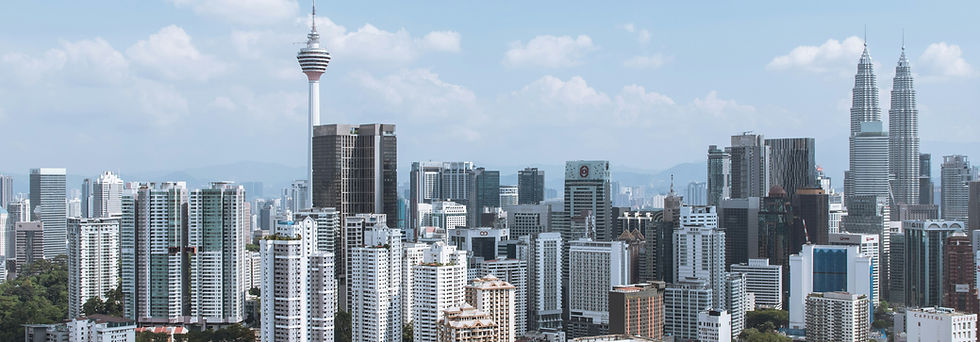
Kuala Lumpur is Southeast Asia's premier business destination — a city of remarkable contrasts where ultra-modern financial towers rise alongside centuries-old mosques, and where Malay, Chinese, Indian, and international cultures coexist with genuine warmth and harmony. For professionals across the world, KL offers a uniquely comfortable training environment: a majority-Muslim city with world-class infrastructure, affordable luxury, and outstanding connectivity to the rest of Asia and beyond.
Southeast Asia's business hub
Home to the Petronas Twin Towers, a thriving financial services sector, and the regional headquarters of major multinationals across banking, energy, technology, and professional services.
Exceptional connectivity
Kuala Lumpur International Airport (KUL) is one of Asia's largest hub airports, with direct flights from Dubai, Riyadh, Doha, Nairobi, Lagos, Accra, and dozens of African and GCC cities.
Inclusive and multicultural
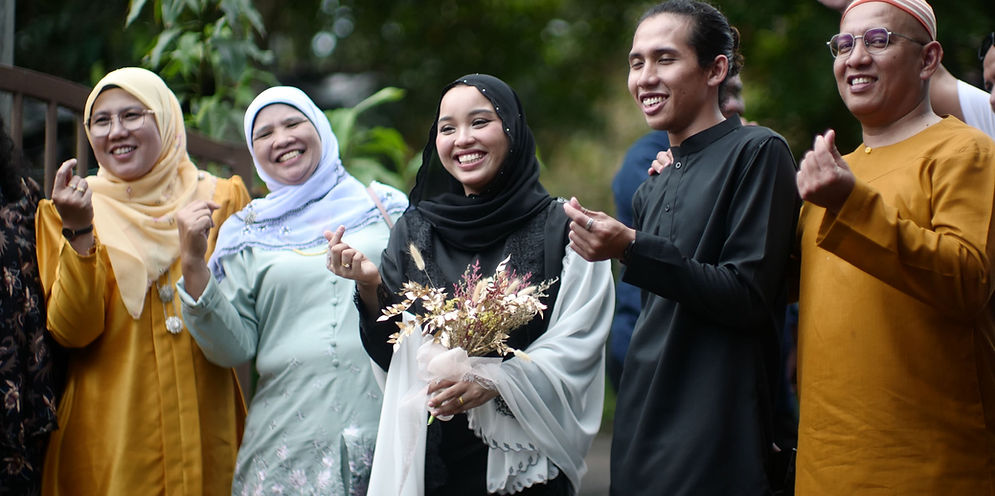
A society built on the harmonious coexistence of Malay, Chinese, Indian, and international communities — Kuala Lumpur is one of themost welcoming and inclusive cities in Asia, with world-class facilities catering to every culture, faith, and background.
Outstanding value
Kuala Lumpur offers five-star hotels, premium training venues, and world-class services at a fraction of the cost of European or GCC destinations — exceptional value for organisations and delegates alike.
CULTURE & ATTRACTIONS
Beyond the classroom
Kuala Lumpur is one of Asia's most rewarding cities to explore — a place where extraordinary architecture, vibrant street culture, and a genuinely world-class food scene create an after-hours experience of remarkable depth and variety.
Attraction
What to expect
Petronas Twin Towers &
KLCC Park
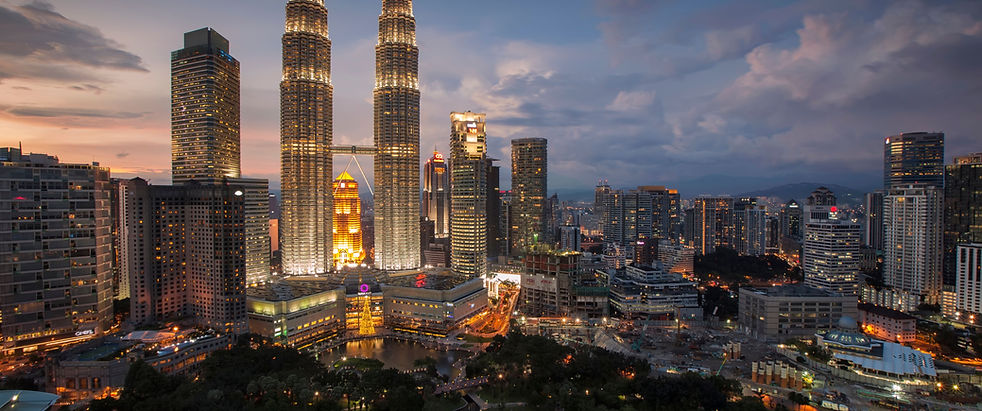
The iconic twin towers that define the KL skyline. The Skybridge on floor 41 and the observation deck on floor 86 offer breathtaking views across the city. The surrounding KLCC Park is a pleasant green space for evening walks.
Batu Caves
A series of dramatic limestone caves housing Hindu temples, 13 kilometres north of the city centre. The 272-step staircase leads to one of Malaysia's most celebrated religious sites and a spectacular natural cavern.
Masjid Negara (National
Mosque)
Malaysia's National Mosque, accommodating up to 15,000 worshippers. One of the most significant Islamic landmarks in Southeast Asia — open to non-Muslim visitors outside of prayer times.
Merdeka Square &
Colonial Quarter
The historic heart of colonial Kuala Lumpur — the Sultan Abdul Samad Building and the square where Malaysian independence was proclaimed in 1957. A remarkable blend of Moorish and Victorian architecture.
Petaling Street
(Chinatown)
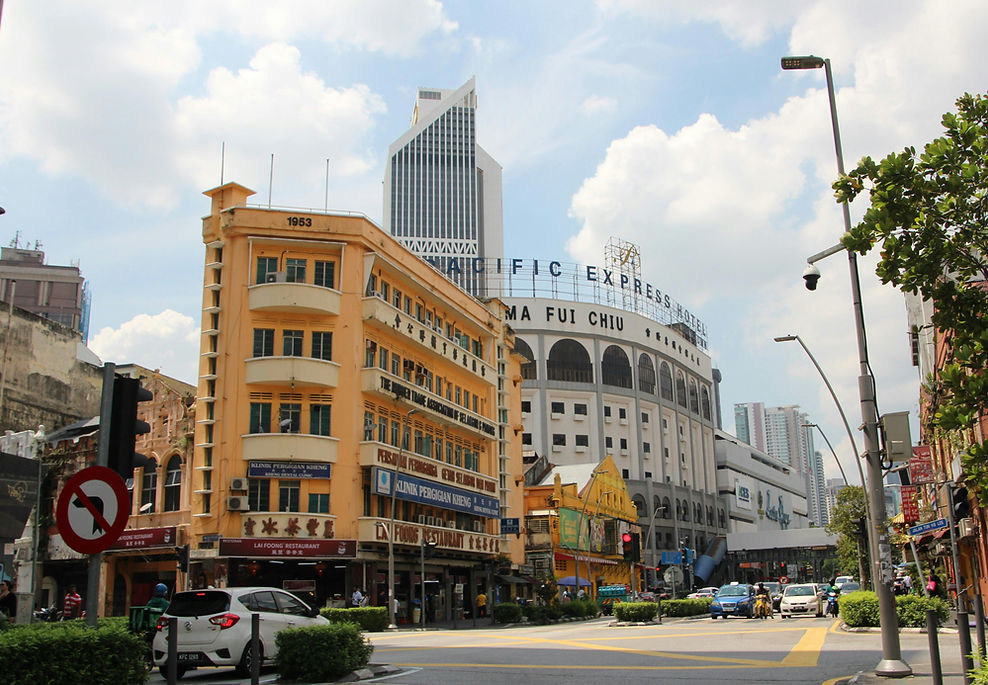
KL's most famous market street — a vibrant covered bazaar of textiles, electronics, street food, and souvenirs at the heart of the city's historic Chinatown district. Best explored in the evening.
KL Tower (Menara KL)
A 421-metre telecommunications tower with an observation deck offering panoramic views across the city. The surrounding Bukit Nanas Forest Reserve is a surprisingly serene green escape at the city's heart.
Islamic Arts Museum
One of the finest Islamic art museums in the world — housing over 7,000 artefacts of Islamic art, architecture, and craftsmanship from across the Muslim world. A profoundly enriching experience for GCC and African delegates.
Central Market & Little
India
The beautifully restored Art Deco Central Market showcases Malaysian arts and crafts. The adjacent Masjid India area and Little India district offer a colourful immersion into KL's multicultural character.

WEATHER
What to expect throughout the year
Kuala Lumpur has an equatorial climate — warm, humid, and sunny year-round with no distinct seasons. Rain can occur at any time but typically falls in short, intense afternoon or evening downpours. The city is a fully operational training destination throughout the year.
Season
Temperature
Notes
Notes
Year-round
temperature
24°C – 33°C
Consistently warm and humid throughout the year. Mornings are generally clear and bright. Air-conditioning is universal in all venues and public spaces.
Rainfall pattern
Year-round
Short, intense afternoon showers are common throughout the year. March-April and October-November tend to be the wettest months. Rain rarely disrupts training schedules.
Dress Code Guidance
Context
Recommended Attire
Training sessions
Smart business or casual attire. Venues are heavily air-conditioned — a light jacket or layer is strongly advisable for indoor sessions. The contrast between outdoor heat and air-conditioned interiors can be significant.
City exploration
Light, breathable clothing is essential given the heat and humidity. A compact umbrella is advisable year-round for afternoon showers. Comfortable walking shoes recommended. Modest dress is appreciated in mosques and religious sites.
GETTING AROUND
Navigating the city
Kuala Lumpur has an extensive and well-integrated public transport network — the MRT, LRT, Monorail, and KTM Komuter systems together cover the entire city and connect to the airport. Ride-hailing services are widely available and highly practical.
Mode
Deatils
MRT, LRT & Monorail
Three MRT lines, two LRT lines, and the KL Monorail form one of Southeast Asia's most comprehensive urban rail networks. The Touch 'n Go card or MyRapid card is the most convenient payment method, accepted across all lines. Runs approximately 06:00 to midnight daily. Clean, punctual, and well signposted in English.
Airport connections
Kuala Lumpur International Airport (KUL) is connected to KL Sentral by the KLIA Ekspres — a non-stop journey of 28 minutes, running every 15-20 minutes from 05:00 to 01:00. KL Sentral connects to the MRT, LRT, Monorail, and KTM networks.
Taxis & ride-hailing
(Grab
Grab is the dominant ride-hailing platform in Malaysia and is the most practical option for delegates. Metered taxis are also available. Grab is strongly recommended for reliability, fixed pricing, and safety — always use the app rather than hailing taxis on the street.
Bus network (RapidKL
An extensive RapidKL bus network covers areas not served by rail. The Go KL City Bus operates free services on four colour-coded routes covering the city centre — a practical option for delegates exploring KLCC, Chinatown, and Bukit Bintang.
Walking
The KLCC, Bukit Bintang, and Chinatown areas are pleasant to walk within, though heat and humidity make extended walking uncomfortable outside of early morning and evening hours. Elevated walkways connecting Bukit Bintang and KLCC provide a cool, shaded pedestrian route.

PRACTICAL INFORMATION
Before you arrive
Key practical details to help delegates from across the GCC, Africa, and Asia prepare for a comfortable and productive visit to Kuala Lumpur.
Topic
Information
Currency
Malaysian Ringgit (MYR). Contactless and card payments are widely accepted at hotels, shopping centres, and restaurants. Carrying a modest amount of cash is advisable for markets and street food. ATMs are available throughout the city at all major malls and transport hubs
Time Zone
MYT (UTC+8) year-round. Kuala Lumpur is 5 hours ahead of Riyadh, 4 hours ahead of Dubai, 8 hours ahead of London in winter, and 5 hours ahead of Nairobi.
Electricity
Type G plug (three rectangular pins — same as the United Kingdom), 240V / 50Hz. Delegates from the UK will find their plugs fully compatible. GCC and most Asian delegates will require a UK-style adaptor. Available at KLIA Airport and throughout the city.
Halal Dining
As a Muslim-majority city, halal food is the default across the vast majority of KL's restaurants. KL is widely regarded as one of the world's finest halal dining destinations — spanning Malay, Arabic, Indian, and international options at every price point.
Places of Worship
Mosques are found throughout Kuala Lumpur — the Masjid Negara, Masjid Jamek, and hundreds of neighbourhood mosques serve the city's Muslim community. A Qibla direction indicator is available on request at most international hotels. Muslim delegates are advised that the Muslim Pro app provides accurate prayer times and Qibla direction worldwide. Christian delegates are equally well served — KL has numerous churches of every denomination.
Language
Malay (Bahasa Malaysia) is the official language. English is widely spoken in business, hotels, shopping centres, and tourist areas throughout KL — delegates will encounter no meaningful language barrier. All training courses are delivered in English.
Ready to train in Kuala Lumpur?
Browse our full programme of courses and reserve your place today.
