
Lagos, Nigeria
Africa's largest city and its most electrifying — Lagos is a metropolis of extraordinary commercial energy, creative ambition, and entrepreneurial spirit that has established itself as the undisputed economic powerhouse of the African continent and one of the most significant emerging business hubs in the world.
WHY LAGOS
Africa's commercial capital
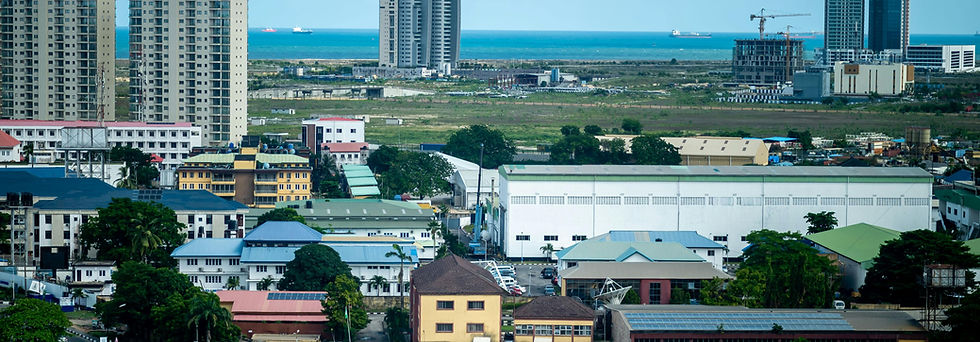
Lagos is the engine of Africa's largest economy — a city that generates an estimated 25% of Nigeria's entire GDP and serves as the financial, commercial, and cultural capital of a nation of over 200 million people. For professionals across the energy, banking, telecommunications, and professional services sectors, Lagos is the heartbeat of the African economy itself — a city where the pace of commercial activity, the depth of entrepreneurial culture, and the sheer scale of business opportunity create a training environment of unmatched energy and relevance across the continent.
Africa's largest economy
Nigeria's commercial capital — generating approximately 25% of national GDP. Home to the Nigerian Stock Exchange, the headquarters of major pan-African banks, energy companies, and Nigeria's most significant financial and professional services institutions.
Well connected
Murtala Muhammed International Airport (LOS) offers direct flights from London, Dubai, Riyadh, Doha, Nairobi, Accra, Addis Ababa, and major African and GCC cities via Emirates, British Airways, and regional carriers.
Africa's most dynamic market
A city of extraordinary commercial velocity — Lagos's entrepreneurial culture, its young and ambitious professional class, and the sheer scale of its consumer market make it the most dynamic and rapidly evolving business environment on the African continent.
Africa's creative capital
The birthplace of Afrobeats and home to Nollywood — Africa's largest film industry. Lagos's creative energy shapes culture across the continent and increasingly across the world, creating a city of extraordinary vitality beyond its commercial significance.
CULTURE & ATTRACTIONS
Beyond the classroom
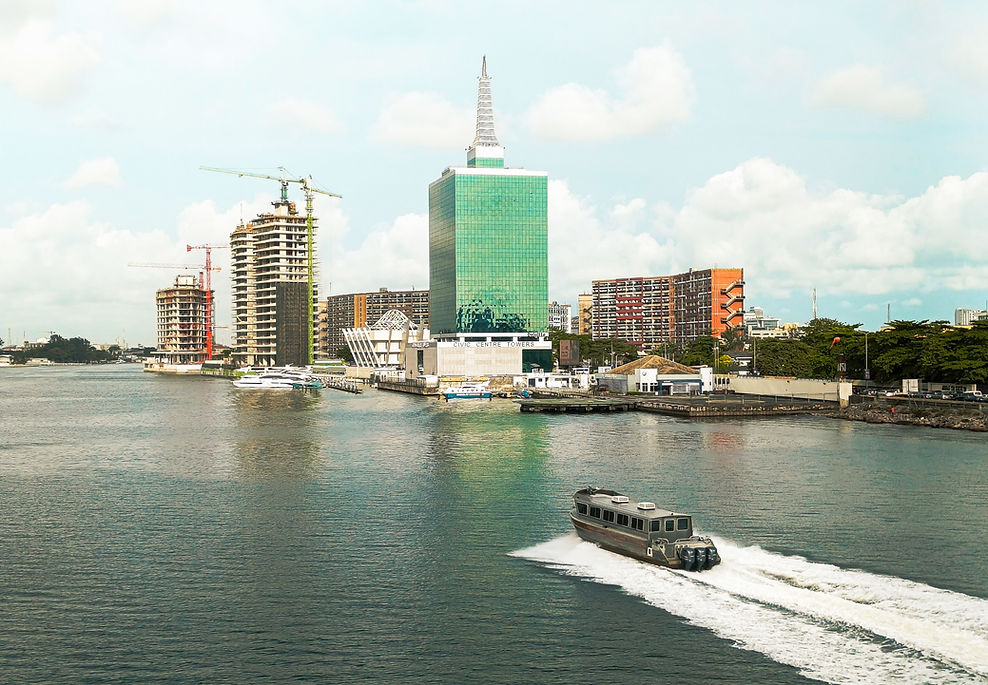
Lagos rewards exploration with a cultural richness and energy that is unique in Africa — a city where ancient Yoruba heritage, colonial history, and a furiously creative contemporary culture coexist in a metropolis of extraordinary vitality and colour.
Attraction
What to expect
Nike Art Gallery
One of Africa's most celebrated art galleries — a five-storey building in Lekki housing over 8,000 works of Nigerian and African art spanning traditional and contemporary genres. One of the most important cultural institutions in West Africa.
Lekki Conservation Centre
A remarkable 78-hectare nature reserve in the heart of Lagos — home to the longest canopy walkway in Africa (401 metres), crocodiles, monkeys, and a surprising abundance of wildlife within one of the world's most densely populated cities.
National Museum Lagos
Nigeria's principal museum — housing outstanding collections of Benin bronzes, Nok terracotta sculptures, traditional regalia, and artefacts spanning 2,000 years of Nigerian civilisation. An essential introduction to the depth of Nigerian cultural heritage.
Freedom Park
A beautifully converted former colonial prison on Lagos Island — now an open-air cultural venue of galleries, performance spaces, and gardens. One of Lagos's most atmospheric and historically resonant public spaces.
Balogun Market
One of the largest markets in West Africa — a vast, colourful, and entirely authentic commercial hub on Lagos Island. An immersive insight into the scale and energy of Lagos's legendary trading culture.
Tarkwa Bay Beach
A sheltered Atlantic beach accessible by short boat ride from Lagos — calm waters, a relaxed atmosphere, and a welcome respite from the city's intensity. One of the most pleasant beach escapes available from any major West African city.
Eko Atlantic City
One of Africa's most ambitious urban development projects — a new city being built on reclaimed land from the Atlantic Ocean adjacent to Victoria Island. A remarkable insight into Lagos's extraordinary ambition and self-belief as a city reinventing itself for the 21st century.
Terra Kulture
Lagos's premier arts and cultural centre — a gallery, bookshop, and performance space on Victoria Island dedicated to the promotion of Nigerian arts, literature, and culture. A vibrant cultural hub at the heart of Lagos's thriving creative scene.
WEATHER
What to expect throughout the year
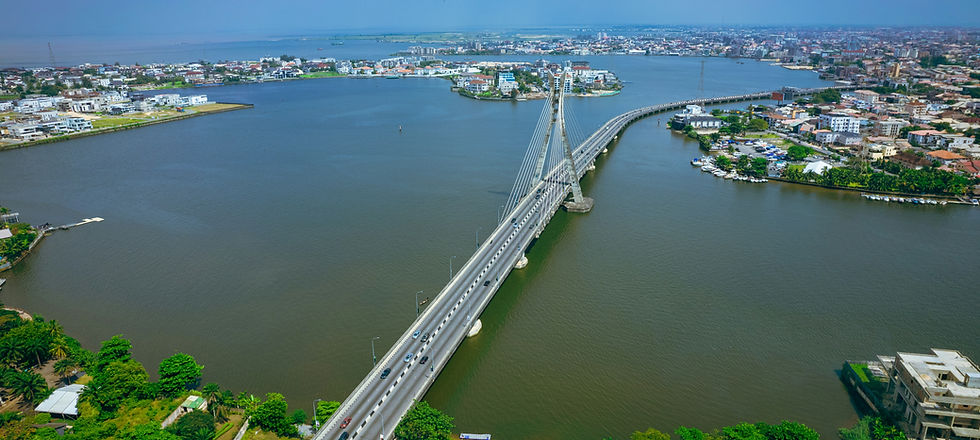
Lagos has a tropical wet and dry climate — warm, humid, and sunny year-round, with two rainy seasons. The dry season from November to March offers the most comfortable conditions for training and outdoor exploration. All venues are well air-conditioned throughout the year.
Season
Temperature
Notes
Notes
Dry season (Nov–
Mar)
25°C – 33°C
Drier and slightly cooler. The most comfortable season for training. Harmattan winds from December to January bring drier air and occasional haze.
Rainy season (Apr–
Oct)
23°C – 30°C
Warm with heavy showers — two rainfall peaks in April-June and September-October. Flooding possible during heavy rains. A compact umbrella is essential throughout.
Dress Code Guidance
Context
Recommended Attire
Training sessions
Smart business or casual attire. Lagos's professional culture is smart and formal in corporate settings. Venues are well air-conditioned; a light layer is advisable for indoor sessions.
City exploration
Light, breathable clothing strongly recommended given the tropical heat and humidity. A compact umbrella is essential during the rainy season. Comfortable shoes recommended. Plan outdoor exploration during the cooler morning and evening hours and use ride-hailing for all journeys.
GETTING AROUND
Navigating the city
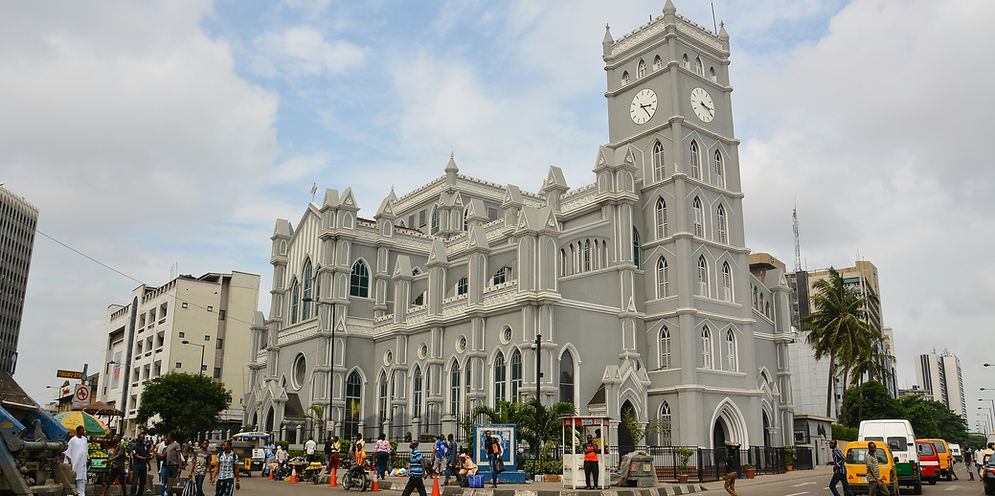
Lagos is one of the world's most densely trafficked cities — navigating it efficiently requires planning and patience. Ride-hailing services are by far the most practical option for delegates. Allowing significantly more travel time than distances suggest is strongly advised.
Mode
Deatils
Taxis & ride-hailing
Uber, Bolt, and inDrive are the most practical and strongly recommended options for delegates in Lagos. Ride-hailing is essential for all delegate journeys — fixed pricing, driver accountability, and significantly greater safety than hailing taxis on the street. Allow generous additional time for all journeys during peak hours.
Airport connections
Murtala Muhammed International Airport (LOS) is approximately 20-25 kilometres from Victoria Island. The journey can take 30 minutes to two hours or more depending on traffic. Early morning departures are strongly recommended. Private transfer services are available from all major hotels.
Water taxis & ferries
Lagos's lagoon and waterway network is served by water taxis and ferry services — often faster than road travel between certain parts of the city. Lagos Ferry Services connect island areas to parts of the mainland. A highly recommended option for beating Lagos's notorious road traffic when routes permit.
Lagos Rail Mass
Transit
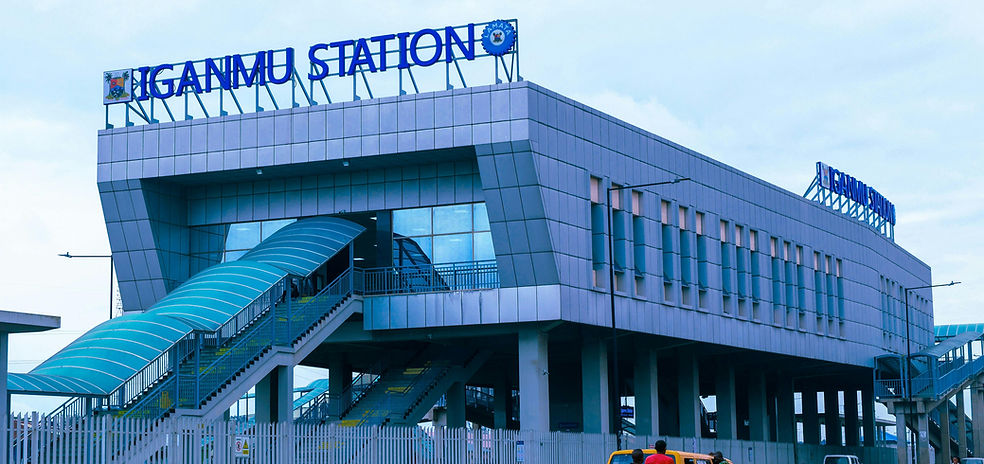
The Lagos Blue Line — opened in 2023 — connects Marina on Lagos Island to Mile 2 on the mainland, with further extensions planned. A growing rail network progressively offering alternatives to road travel for certain cross-city journeys.
Safety & navigation
Delegates are advised to use established ride-hailing services at all times, remain in the well-developed Victoria Island, Ikoyi, and Lekki areas where training venues and hotels are concentrated, and to follow the guidance of their hotel and training venue on local safety recommendations.
PRACTICAL INFORMATION
Before you arrive
Key practical details to help delegates from across the GCC, Africa, and Asia prepare for a comfortable and productive visit to Lagos.
Topic
Information
Currency
Nigerian Naira (NGN). Card payments accepted at major hotels, supermarkets, and established restaurants. Carrying cash is advisable for local transport and smaller establishments. ATMs are available at the airport and throughout Victoria Island and Ikoyi. US Dollars are widely accepted for larger transactions at hotels and established businesses.
Time Zone
WAT (UTC+1) year-round. Lagos is 2 hours behind Riyadh, 3 hours behind Dubai, 2 hours behind Nairobi, and 1 hour ahead of London in winter.
Electricity
Type D and G plugs are both in use in Nigeria, 230V / 50Hz. Type G (three rectangular pins — same as the UK) is the most common in hotels and modern buildings. UK delegates will find their plugs compatible in most venues. GCC and Asian delegates will require a UK-style or universal adaptor. All major hotels have backup generators for power outages.
Halal Dining
Lagos has a very large Muslim population and an excellent halal food scene. Halal-certified restaurants are widely available throughout Victoria Island, Ikoyi, and Lekki — spanning Nigerian, Lebanese,Arabic, and international cuisines. Most major training hotels can accommodate halal dietary requirements.
Places of Worship
Lagos has a large Muslim community with numerous mosques throughout the city. A Qibla direction indicator is available on request at most international hotels. Muslim delegates are advised that the Muslim Pro app provides accurate prayer times and Qibla direction worldwide. Christian delegates are exceptionally well served — Nigeria is one of the most Christian nations in Africa and Lagos has hundreds of churches of every denomination, including some of the largest Pentecostal congregations in the world.
Language
English is the official language of Nigeria and is spoken throughout Lagos in business, government, education, and daily life. Yoruba is the most widely spoken local language. Delegates will encounter no language barrier in professional and hotel environments. All training courses are delivered in English.
Ready to train in Lagos?
Browse our full programme of courses and reserve your place today.
