
Muscat, Oman
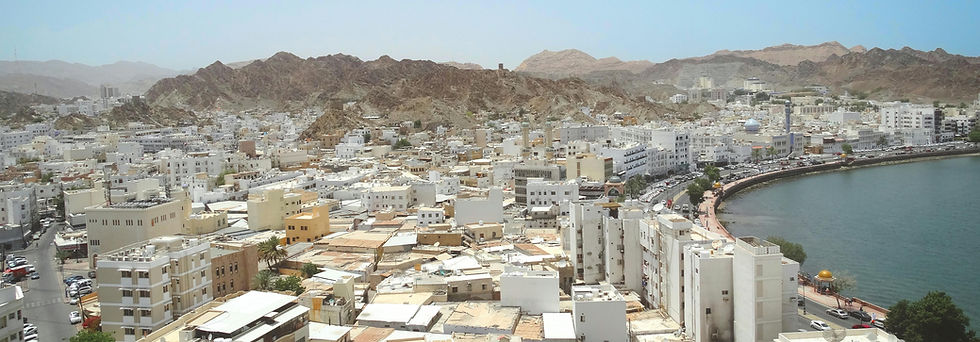
One of the Gulf's most elegant and distinctive capital cities — Muscat combines a deeply rooted Omani cultural heritage, a spectacular setting between the Al Hajar Mountains and the Arabian Sea, and a reputation for the most genuine and gracious hospitality in the region, creating a training destination of rare character and quiet distinction.
WHY MUSCAT
The Gulf's most gracious capital
Muscat is the capital of a nation that has built its reputation on tolerance, diplomacy, and measured modernisation — Oman's approach to development has been admired across the Gulf and beyond for its careful balance of tradition and progress. As a training destination, Muscat offers professionals a Gulf experience of genuine distinction — quieter and more reflective than Dubai, more culturally rooted than Doha, and home to a quality of hospitality and an authenticity of character that is increasingly rare in the rapidly changing Gulf region.
Stable Gulf economy
A diversified and well-managed economy anchored by oil and gas, tourism, and a growing professional services sector — with Oman Vision 2040 driving significant investment in human capital development across all industries.
Well connected
Muscat International Airport (MCT) offers direct flights from Dubai, Riyadh, Doha, Nairobi, Addis Ababa, Mumbai, London, and major African and Asian cities via Oman Air and international carriers.
The Gulf's finest hospitality
Oman is consistently recognised as the most hospitable and welcoming country in the Gulf — a warmth and genuine courtesy that delegates from Africa and Asia find particularly familiar and comfortable.
Excellent value
Significantly more affordable than London for hotels, transport, and daily expenses — world-class training facilities and venues at a considerably lower cost, making it highly accessible for organisations managing training budgets.
CULTURE & ATTRACTIONS
Beyond the classroom
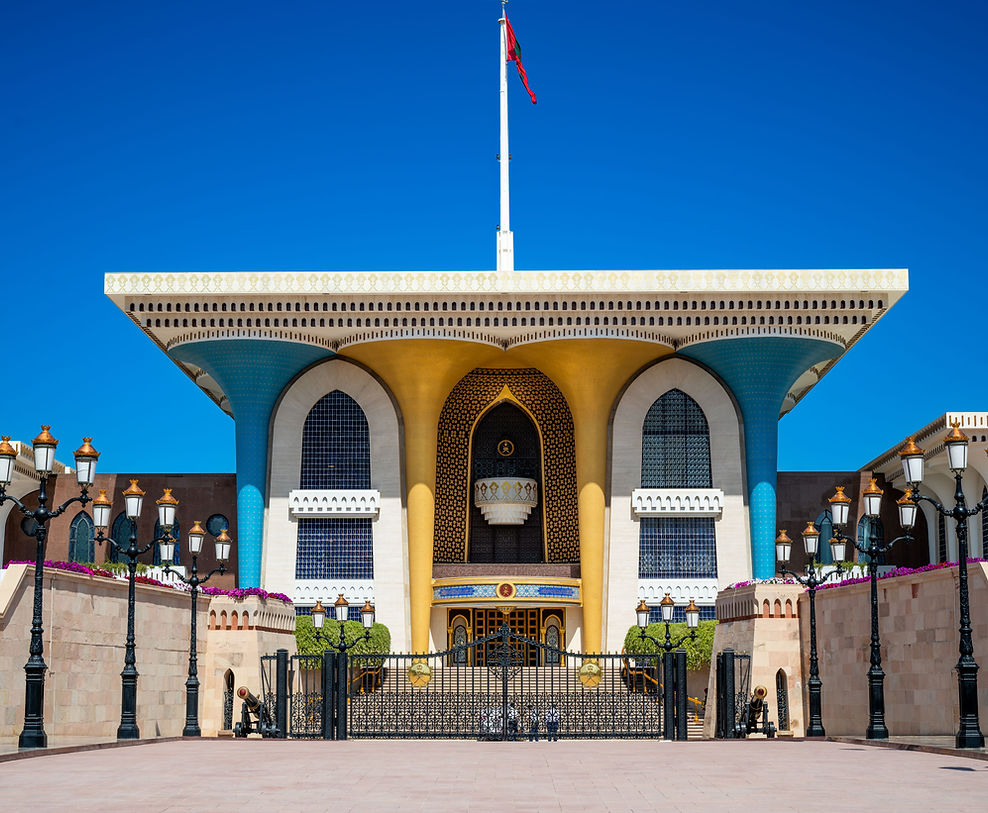
Muscat offers delegates a rich and deeply authentic Arabian cultural experience — ancient forts, magnificent mosques, vibrant traditional souqs, and extraordinary natural landscapes all within easy reach of the city, creating an after-training experience unlike that of any other Gulf capital.
Attraction
What to expect
Sultan Qaboos Grand
Mosque
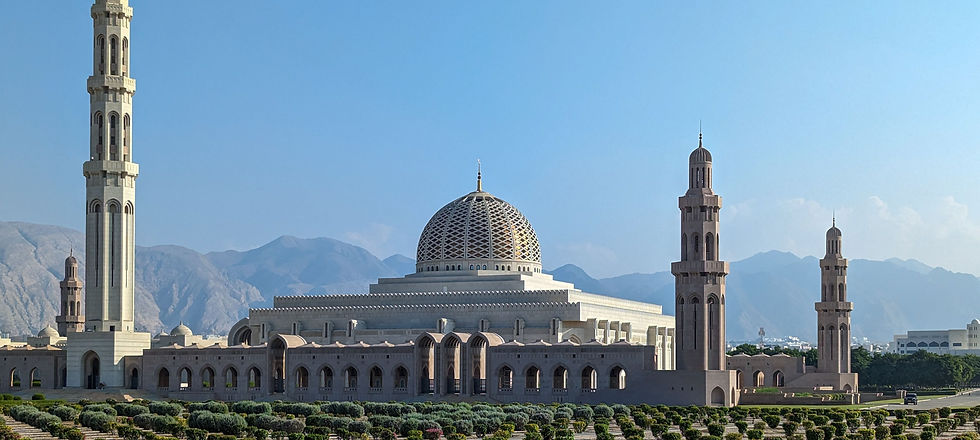
One of the most magnificent mosques in the world — capable of accommodating 20,000 worshippers, adorned with a hand-woven Persian carpet (the second largest in the world) and a Swarovski crystal chandelier of extraordinary scale. Open to non-Muslim visitors on weekday mornings.
Mutrah Souq
One of the oldest and most authentic souqs in the Arabian Peninsula — a labyrinth of narrow lanes filled with frankincense, Omani silver jewellery, khanjar daggers, textiles, and spices. A sensory immersion in traditional Omani commercial culture unlike anything in the wider Gulf.
Mutrah Corniche
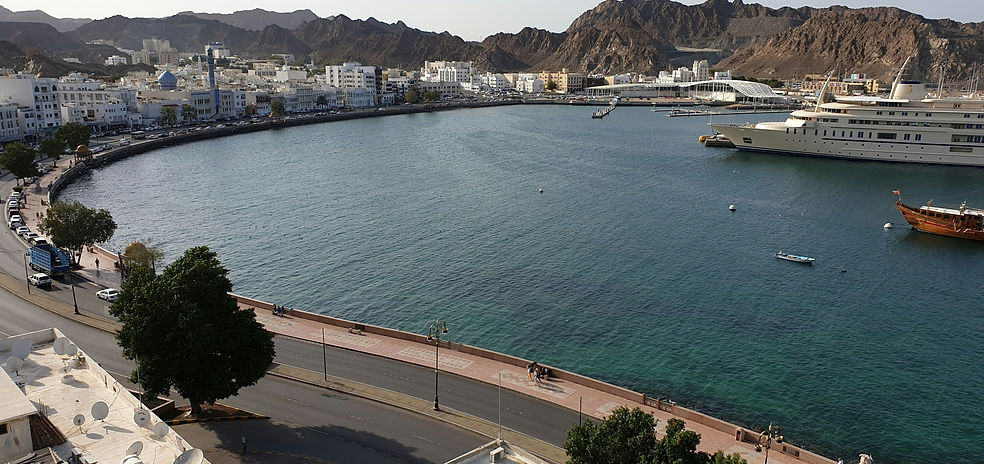
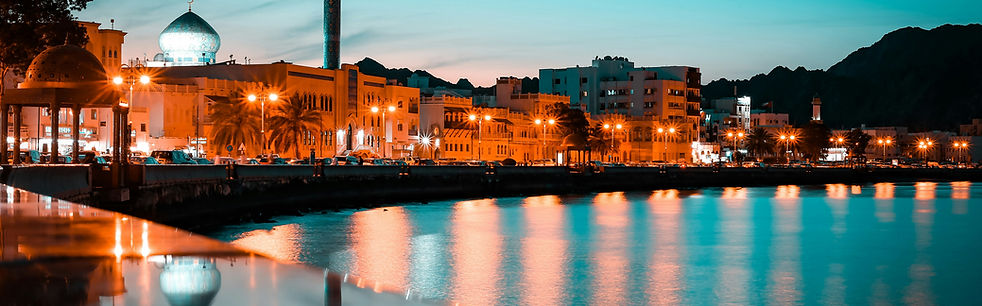
Muscat's celebrated waterfront promenade — a sweep of palm-lined seafront flanked by traditional dhow boats in the harbour, the ancient Mutrah Fort above, and the Al Hajar Mountains behind. One of the most atmospheric waterfronts in the Gulf.
Al Jalali & Al Mirani Forts
Twin Portuguese-era forts guarding the entrance to Muscat Harbour, built in the 16th century — among the most dramatically positioned historical fortifications in the Arabian Peninsula. The view of both forts flanking the royal palace compound is one of Muscat's most iconic images.
Royal Opera House
Muscat
One of the finest opera houses in the Arab world — a magnificent building of Omani architecture housing an internationally acclaimed programme of opera, classical music, and cultural performances. A powerful symbol of Oman's cultural ambitions and openness.
National Museum of Oman
Oman's flagship cultural institution — a beautifully designed museum tracing 10,000 years of Omani history, maritime tradition, and natural heritage. One of the finest national museums in the Gulf region.
Wadi Shab & Wahiba
Sands (excursion)
Oman's extraordinary natural landscapes are within reach of Muscat — the turquoise pools of Wadi Shab (approximately 2 hours), the vast orange dunes of the Wahiba Sands desert, and the dramatic Hajar Mountain wadis offer some of the most spectacular natural excursions available from any Gulf capital.
Nizwa & Bahla Fort
(excursion)
Approximately 2 hours from Muscat — the ancient city of Nizwa with its magnificent 17th-century fort and the most celebrated traditional souq in Oman, alongside the UNESCO-listed Bahla Fort, offer a deeply authentic window into historic Omani culture.
WEATHER
What to expect throughout the year
Muscat has a hot desert climate with very low humidity — the dry heat is generally more comfortable than the humid conditions of coastal Gulf cities. The cooler months from November to March offer the most agreeable conditions for training and outdoor exploration. All venues are fully air-conditioned year-round.
Season
Temperature
Notes
Winter (Nov–Feb)
15°C – 27°C
Warm and pleasant. The finest season for training and outdoor exploration. The most comfortable and agreeable time to visit Muscat.
Spring (Mar–Apr)
22°C – 36°C
Warming quickly. Still pleasant in mornings and evenings. Low humidity makes the heat manageable.
Summer (May–Sep)
32°C – 44°C
Very hot and dry. All venues fully air-conditioned. Outdoor activity limited to dawn or dusk hours.
Autumn (Oct)
24°C – 36°C
Cooling gradually. Very pleasant conditions return by late October. An excellent shoulder season for training visits.
Dress Code Guidance
Context
Recommended Attire
Training sessions
Smart business or casual attire. Muscat's professional culture is formal and traditional — delegates are encouraged to dress smartly and conservatively. Venues are strongly air-conditioned; a light layer is advisable for indoor sessions throughout the year
City exploration
Light, breathable clothing recommended outside of the cooler winter months. Modest dress is expected throughout the city and particularly important when visiting mosques and traditional areas. Comfortable footwear essential. Sun protection strongly advisable year-round.
GETTING AROUND
Navigating the city
Muscat is a sprawling, low-rise city best navigated by taxi or ride-hailing service. The city has no Metro system but taxis and ride-hailing are reliable, affordable, and readily available throughout.
Mode
Deatils
Taxis & ride-hailing
Uber and OTaxi are the most widely used transport options for delegates in Muscat. Metered taxis are also available at major hotels and the airport. Ride-hailing is strongly recommended for convenience, reliability, and fixed pricing across the city's spread-out geography
Airport connections
Muscat International Airport (MCT) is approximately 32 kilometres from the Mutrah area and 20 kilometres from the main business districts — approximately 25-45 minutes by taxi or Uber. The airport is modern and one of the finest in the Gulf region.
Bus network
(Mwasalat)
Mwasalat operates an air-conditioned bus network covering key routes across Muscat. A practical and affordable option for delegates staying along the main bus corridors. Ride-hailing offers greater convenience for most journeys given Muscat's spread-out geography.
Car hire
Strongly recommended for delegates wishing to visit Wadi Shab, Nizwa, the Wahiba Sands, or the Hajar Mountain wadis independently. All major international hire companies are at Muscat International Airport. Driving is on the right-hand side of the road.
Walking
The Mutrah Corniche and Mutrah Souq area are pleasant to explore on foot during the cooler months — particularly in the evenings. During summer, outdoor walking during daytime hours is strongly discouraged. The corniche is most rewarding in the early morning or after sunset year-round.
PRACTICAL INFORMATION
Before you arrive
Key practical details to help delegates from across Africa, the GCC, and Asia prepare for a comfortable and productive visit to Muscat.
Topic
Information
Currency
Omani Rial (OMR) — one of the highest-valued currencies in the world, divided into 1,000 baisa. Card and contactless payments are widely accepted at hotels, shopping centres, and most restaurants. ATMs are available at the airport, major hotels, and throughout the city.
Time Zone
GST (UTC+4) year-round. Muscat is on the same time as Dubai and Abu Dhabi. It is 1 hour ahead of Riyadh and Nairobi, and 4 hours ahead of London in winter.
Electricity
Type G plug (three rectangular pins — same as the United Kingdom), 240V / 50Hz. Delegates from the UK will find their plugs fully compatible. Most African and Asian delegates will require a UK-style adaptor. Available at Muscat Airport and throughout the city.
Halal Dining
As a Muslim-majority city, halal food is universal across all of Muscat's restaurants. Omani cuisine — known for its use of dried lime, rose water, and slow-cooked meats — is a distinctive and celebrated culinary tradition. International cuisines are widely available across the city, particularly in major hotel areas and the CBD.
Places of Worship
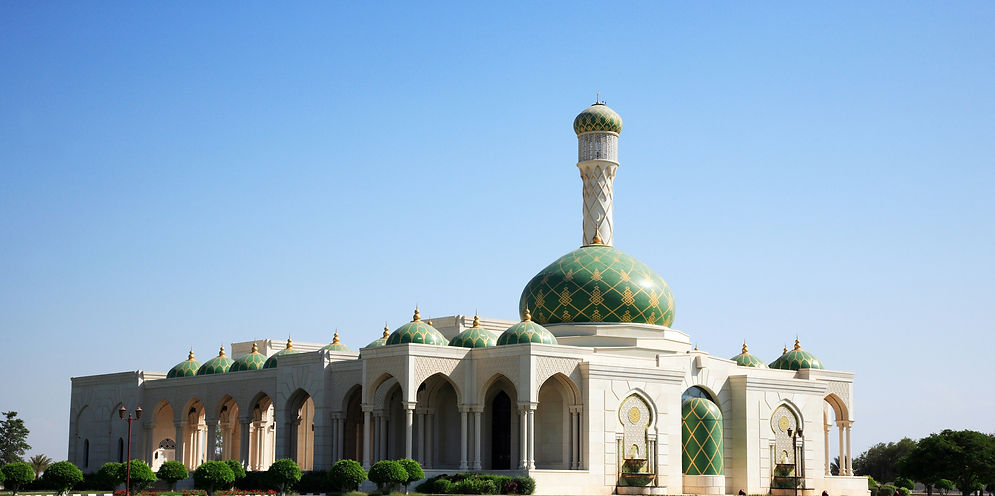
Mosques are found throughout Muscat — the Sultan Qaboos Grand Mosque is open to non-Muslim visitors on weekday mornings, reflecting Oman's spirit of openness and tolerance. A Qibla direction indicator is available on request at most international hotels. Muslim delegates are advised that the Muslim Pro app provides accurate prayer times and Qibla direction worldwide. Christian delegates are well accommodated — Oman has officially designated places of Christian worship, with Catholic, Anglican, and Protestant churches serving the expatriate and visiting community.
Cultural
Considerations
Muscat is welcoming and cosmopolitan whilst remaining deeply respectful of Omani traditions. Modest dress is expected throughout the city. During Ramadan, eating and drinking in public during daylight hours should be avoided out of respect. Friday and Saturday are the weekend; business generally runs Sunday through Thursday.
Ready to train in Muscat?
Browse our full programme of courses and reserve your place today.
