
Riyadh, Saudi Arabia
The capital of the Arab world's largest economy and the epicentre of one of the most ambitious national transformation programmes in modern history — Riyadh is a city reinventing itself at extraordinary speed, offering professionals a training environment of immense strategic relevance and cultural significance.
WHY RIYADH
At the heart of Vision 2030
Riyadh is the capital of Saudi Arabia — the Arab world's largest economy and home to one of the most significant national transformation programmes of the twenty-first century. Vision 2030, Saudi Arabia's ambitious economic diversification agenda, is reshaping every sector of the economy and creating extraordinary demand for professional development across energy, finance, government, and infrastructure. For professionals working within or alongside this transformation, Riyadh is not merely a training venue — it is the environment in which the skills being developed will be directly applied.
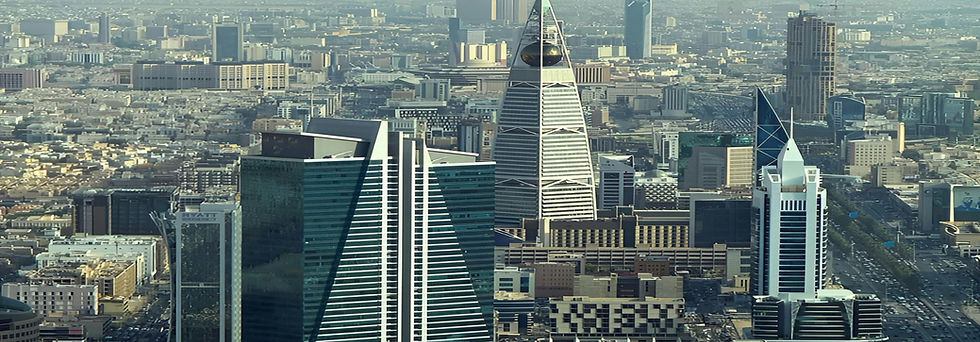
Arab world's financial capital
The headquarters of the Saudi Central Bank, the Saudi Tadawul stock exchange, and the Kingdom's major financial institutions — the economic and regulatory nerve centre of the Gulf region.
Well connected
King Khalid International Airport (RUH) offers direct flights from London, Nairobi, Lagos, Accra, Entebbe, and all major African cities via Saudia, flyadeal, and international carriers.
Vision 2030 epicentre
Riyadh is where Saudi Arabia's extraordinary transformation is being designed and delivered— an environment of unique professional relevance for energy, government, infrastructure, and finance delegates.
World-class infrastructure
Rapid investment in hotels, transport, cultural institutions, and professional venues has made Riyadh one of the most comprehensively equipped training destinations in the Middle East.
CULTURE & ATTRACTIONS
Beyond the classroom
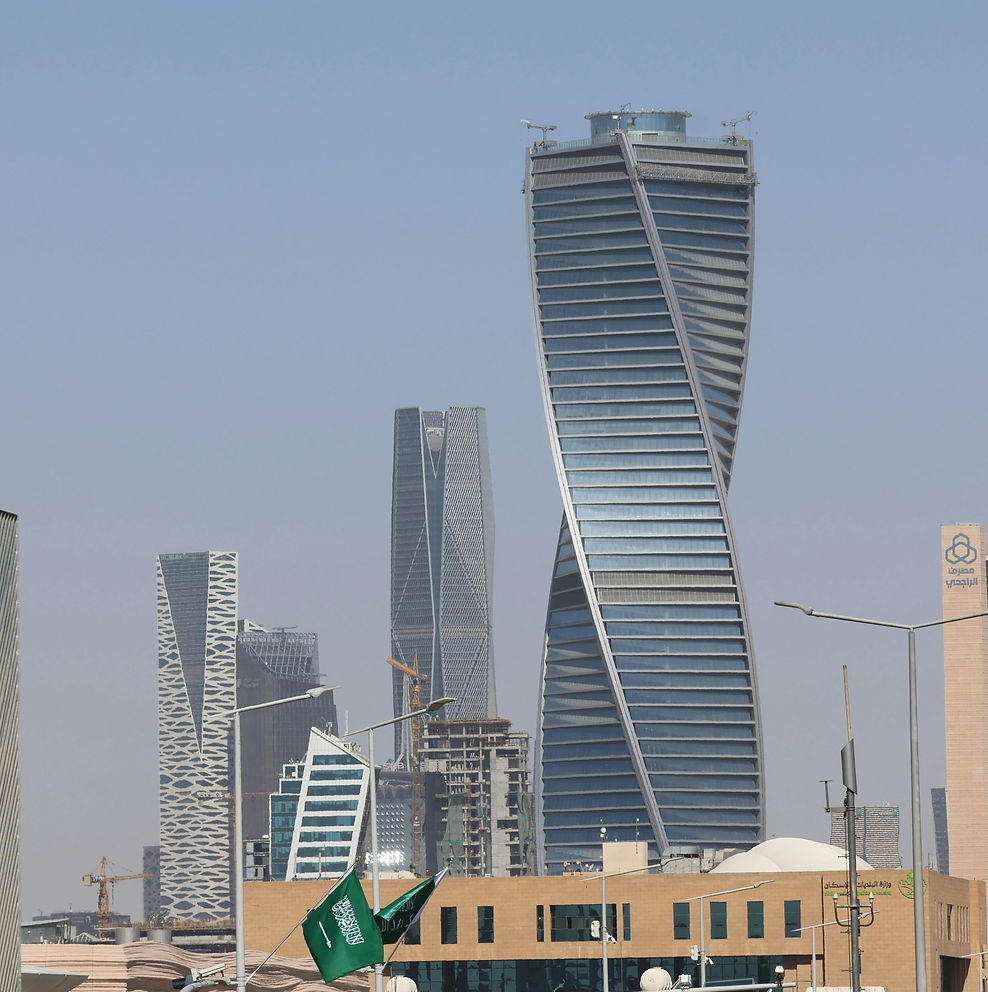
Riyadh is undergoing a cultural renaissance — new museums, entertainment districts, and heritage sites are opening alongside the ancient landmarks that speak to the city's deep historical roots as the heartland of the Arabian Peninsula. The visitor experience in Riyadh today is richer, more varied, and more welcoming than at any point in the city's modern history.
Attraction
What to expect
National Museum of Saudi
Arabia
One of the finest museums in the Arab world — eight galleries tracing the history of the Arabian Peninsula from prehistoric times through the Islamic era to the founding of the modern Kingdom
Diriyah
The original home of the Al Saud family and the birthplace of the first Saudi state — a UNESCO World Heritage Site. The At-Turaif district is one of the finest examples of Najdi mud-brick architecture in existence, magnificently restored and open to visitors.
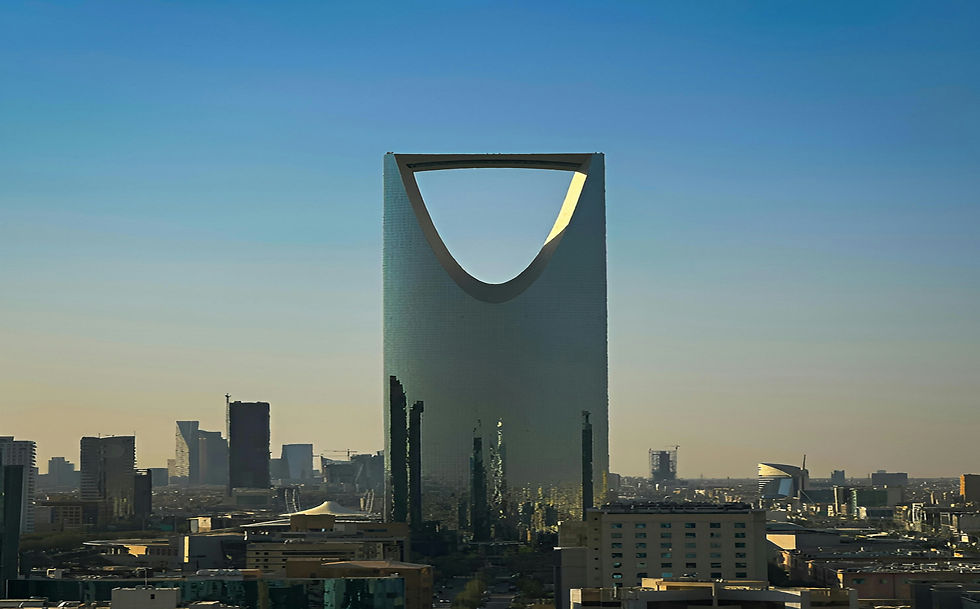
Kingdom Centre Tower
Riyadh's most iconic modern landmark — the sky bridge observation deck at 300 metres offers extraordinary panoramic views across the city. One of the most architecturally distinctive skyscrapers in the world.
Al Masmak Fortress
The historic clay and mudbrick fortress at the heart of old Riyadh, where the unification of the Saudi Kingdom began in 1902. Now a museum and one of the most significant historical sites in Saudi Arabia.
Boulevard Riyadh City
One of the largest entertainment destinations in Saudi Arabia — a vast outdoor precinct of parks, international restaurants, live entertainment, and retail spanning over 1.3 million square metres. A flagship destination of the Vision 2030 entertainment transformation.
Edge of the World (Jebel
Fihrayn)
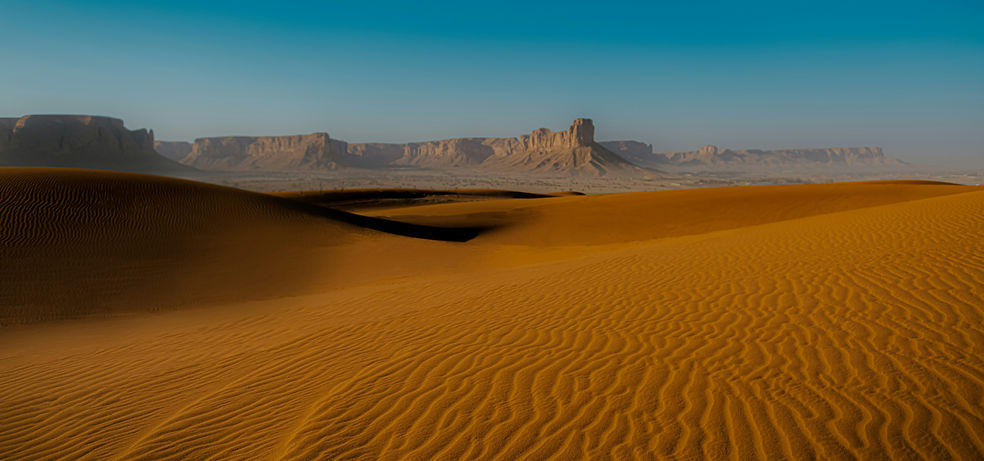
A dramatic escarpment approximately 90 kilometres northwest of Riyadh where the plateau drops suddenly into an ancient sea basin — one of the most spectacular natural landscapes in the Arabian Peninsula and an excellent full-day excursion.
Riyadh Season
An annual entertainment season from October through March featuring concerts, sporting events, exhibitions, and cultural festivals across multiple venues. One of the largest entertainment programmes in the world by attendance and scale.
Al-Ula (excursion)
A short flight from Riyadh to one of the most extraordinary archaeological landscapes on earth — the ancient Nabataean city of Hegra (Saudi Arabia's first UNESCO World Heritage Site) and dramatic desert rock formations.
WEATHER
What to expect throughout the year
Riyadh has a hot desert climate with year-round sunshine and very low humidity — the dry heat is generally more comfortable than the humid conditions of coastal Gulf cities. The cooler months from November to March are the most agreeable. Summer months are extremely hot, but all venues and public spaces are fully air-conditioned.
Season
Temperature
Notes
Winter (Nov–Feb)
10°C – 22°C
Cool evenings, warm days. Ideal training season. The most comfortable and agreeable time to visit Riyadh.
Spring (Mar–Apr)
Warming quickly. Still very pleasant. Occasional dust storms possible. A good shoulder season.
18°C – 33°C
Summer (May–Sep)
32°C – 45°C
Extremely hot and dry. All venues fully air-conditioned. Outdoor activity limited to early morning and evening.
Autumn (Oct)
20°C – 35°C
Cooling rapidly. Very pleasant conditions return by late October. Riyadh Season typically begins in October
Dress Code Guidance
Context
Recommended Attire
Training sessions
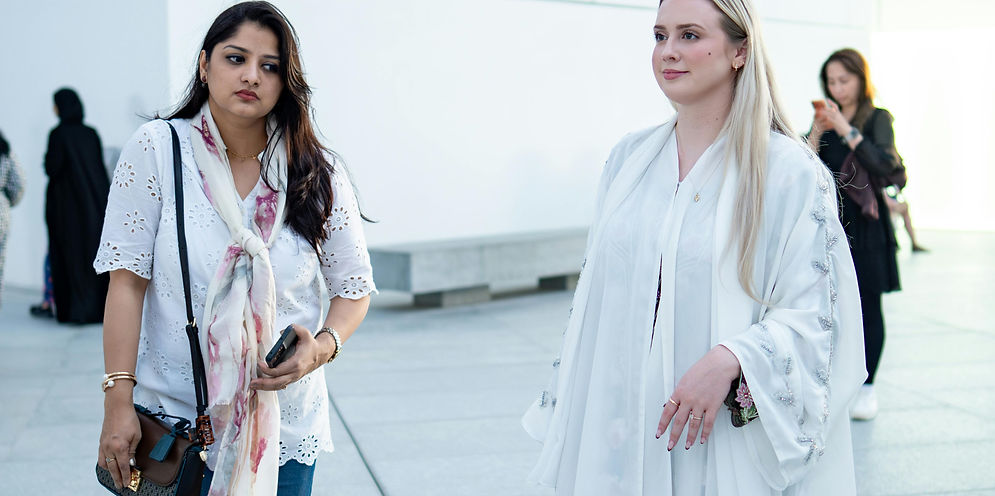
Smart business or casual attire. Riyadh's professional culture is formal — delegates are encouraged to dress smartly and conservatively. Venues are strongly air-conditioned; a light layer is advisable for indoor sessions throughout the year.
Outdoor exploration
Light, breathable clothing recommended in warmer months. Modest dress is respectful throughout the city in line with Saudi cultural norms. Comfortable footwear essential. Sun protection strongly advisable year-round.
GETTING AROUND
Navigating the city
Riyadh is a large, car-oriented city. The Riyadh Metro — opened in 2024 — now connects key districts efficiently, and ride-hailing services are the most practical option for most delegates navigating between hotels, training venues, and attractions.
Mode
Deatils
Riyadh Metro
Six lines connecting King Khalid International Airport, the King Abdullah Financial District, and key business areas. Fully air-conditioned and driverless. A Darb card is used for payment at all stations. The Metro represents a significant addition to Riyadh's transport infrastructure and is increasingly used by international visitors.
Airport connections
King Khalid International Airport (RUH) is connected to the city by the Riyadh Metro Blue Line — approximately 30-40 minutes to the city centre. Taxis, Uber, and Careem are also widely available at the arrivals hall and are most commonly used by delegates with luggage or arriving at late hours.
Taxis & ride-hailing
Uber and Careem are the most widely used transport options for delegates in Riyadh. Both operate extensively throughout the city. Metered taxis are also available at major hotels and the airport. Ride-hailing is strongly recommended for convenience and reliability.
Car hire
Widely available at the airport and from established operators throughout the city. Recommended for delegates visiting Diriyah, the Edge of the World, or other destinations outside the centre. All major international hire companies are represented at King Khalid International Airport. Driving is on the right-hand side of the road.
Walking
Walking is practical within the Diriyah heritage area, Boulevard Riyadh City, and certain central districts during the cooler months. During summer months, outdoor walking during daytime hours is strongly discouraged. The Metro and ride-hailing services are recommended for all city journeys from May through September.
PRACTICAL INFORMATION
Before you arrive
Key practical details to help delegates from across Africa, the GCC, and Asia prepare for a comfortable and productive visit to Port Louis.
Topic
Information
Currency
Saudi Riyal (SAR). Contactless and card payments are widely accepted at hotels, shopping centres, and most restaurants. Carrying a modest amount of cash is useful for smaller establishments and markets. ATMs are available at the airport, major malls, and throughout the city centre.
Time Zone
AST (UTC+3) year-round — Saudi Arabia does not observe daylight saving time. Riyadh is on the same time as Nairobi and Doha. It is 1 hour behind Dubai, and 3 hours ahead of London in winter.
Electricity
Type G plug (three rectangular pins — same as the United Kingdom), 220V / 60Hz. Note that Saudi Arabia uses 60Hz frequency, which differs from the UK 50Hz standard. Most modern devices are dual-frequency compatible — check device labelling before travelling.
Halal Dining
As the capital of Saudi Arabia, halal food is universal across all restaurants and food establishments in Riyadh. The city's culinary scene has expanded dramatically under Vision 2030, with international cuisines now widely available alongside traditional Saudi and Gulf cuisine throughout the city.
Places of Worship
Mosques are found throughout Riyadh — the call to prayer is heard five times daily and Friday is the official day of rest. Non-Muslim delegates are welcome and respected as visitors. Private worship by non-Muslims is permitted; public worship by non-Muslims is not. Most international hotels provide a quiet space for private prayers on request.
Cultural
Considerations
Modest dress is expected throughout the city for both men and women. During Ramadan, eating and drinking in public during daylight hours should be avoided out of respect. Friday and Saturday are the weekend. Business hours generally run Sunday through Thursday.
Ready to train in Riyadh?
Browse our full programme of courses and reserve your place today.
