
Rome, Italy
One of the most magnificent cities in human history — Rome offers professionals a training environment of unparalleled cultural grandeur, combining the seat of the ancient world's greatest empire, the centre of global Catholicism, and a thriving modern European capital within a single extraordinary city.
WHY ROME
The Eternal City
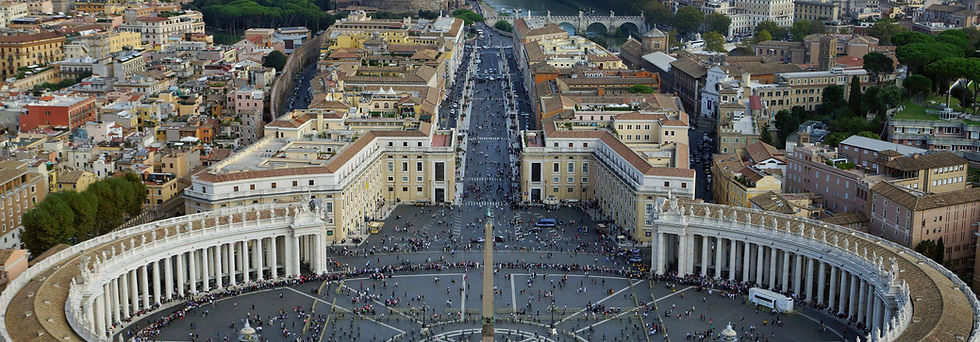
Rome is a city that needs no introduction — the capital of Italy and one of the most visited and celebrated cities on earth. As a training destination, Rome offers professionals from around the world an experience that goes far beyond skills development: immersion in a living city where the foundations of Western law, governance, and civic administration were established over two millennia ago. For delegates working in government, public sector, and institutional roles, the resonance of training in the city that invented the concepts they work within every day is both intellectually stimulating and professionally inspiring.
Major European economy
Italy's capital and its seat of government — home to major financial institutions, international organisations, the Food and Agriculture Organization (FAO), and the International Fund for Agricultural Development (IFAD), both UN agencies headquartered in Rome.
Excellent connectivity
Rome Fiumicino Airport (FCO) is Italy's largest international hub, with direct flights from Dubai, Riyadh, Doha, Nairobi, Lagos, Accra, and major African and GCC cities via Alitalia, Emirates, and international carriers.
European Union member
As Italy's capital and an EU member state,Rome offers access to European regulatory frameworks and professional networks — valuable context for public sector and finance delegates from Africa and the GCC.
Outstanding value vs northern Europe
Rome offers significantly lower costs than London, Paris, or Amsterdam for hotels, transport, and daily expenses — world-class venues and cultural experiences at a considerably more accessible price point.
CULTURE & ATTRACTIONS
Beyond the classroom
Rome is an open-air museum of human civilisation — a city where ancient temples, Renaissance palaces, and Baroque fountains coexist in a living urban environment of extraordinary beauty and depth.
Attraction
What to expect
The Colosseum & Roman
Forum
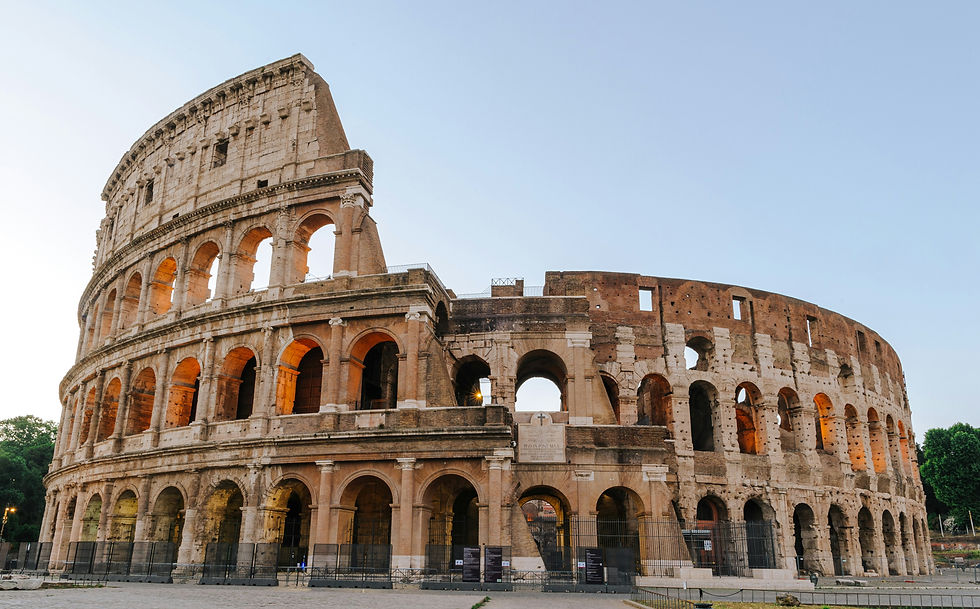
The greatest monument of ancient Rome — the Colosseum (72 AD) held 50,000 spectators and is the largest amphitheatre ever built. The adjacent Roman Forum was the political and commercial heart of the Roman Empire for a thousand years. A UNESCO World Heritage Site.
Vatican City & St Peter's
Basilica
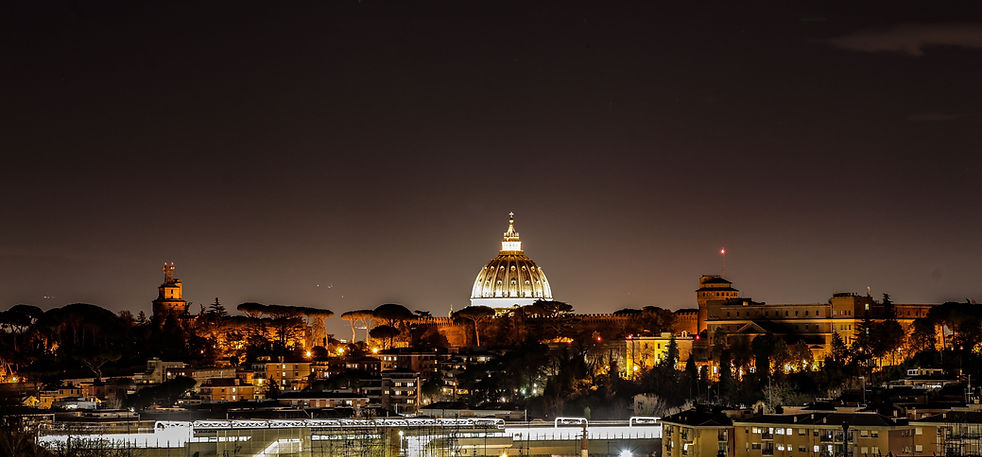
The world's smallest sovereign state and the centre of global Catholicism — St Peter's Basilica, Michelangelo's Sistine Chapel, and the Vatican Museums together constitute the greatest concentration of art and sacred heritage on earth. A UNESCO World Heritage Site.
The Pantheon
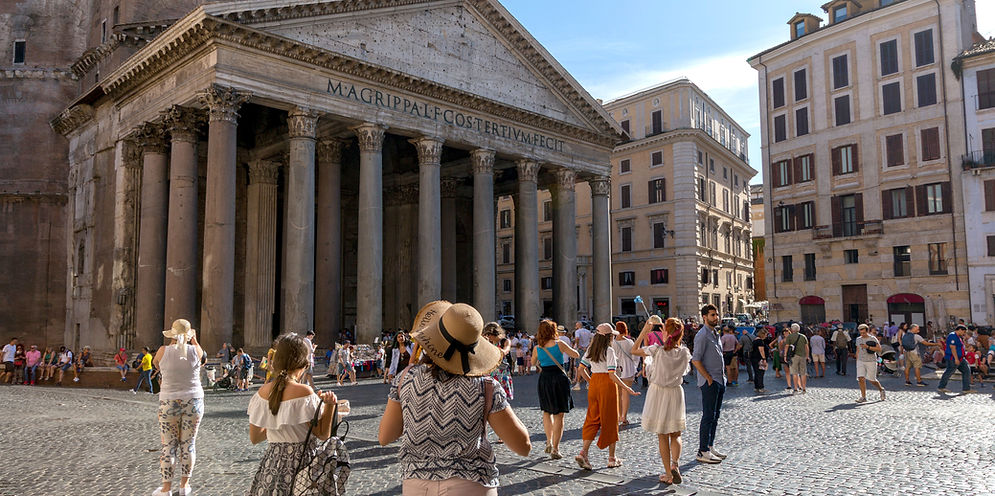
The best-preserved building of ancient Rome — a temple completed in 125 AD whose extraordinary dome, with its central oculus open to the sky, influenced architecture for two thousand years. Still a functioning church and one of the most awe-inspiring spaces in the world.
Trevi Fountain & Spanish
Steps
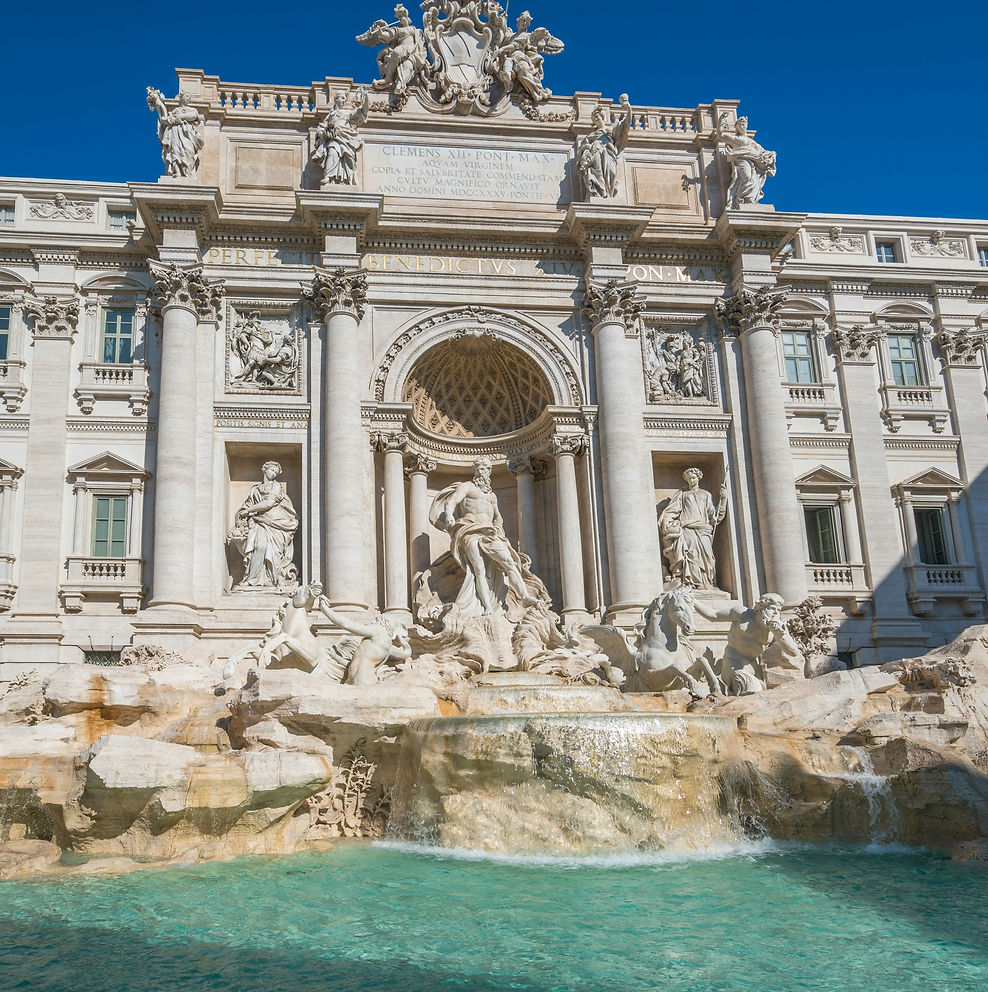
Two of Rome's most iconic Baroque landmarks — the Trevi Fountain (1762) and the Spanish Steps (1725) are among the most photographed and visited sites in Europe, both within easy walking distance of central training venues.
Borghese Gallery
One of the finest art galleries in the world — housing Bernini's greatest sculptures and Caravaggio's most celebrated paintings in a magnificent 17th-century villa set within the Villa Borghese gardens. Advance booking essential.
Trastevere neighbourhood
Rome's most characterful and atmospheric neighbourhood — a medieval quarter of cobbled streets, ivy-covered buildings, artisan workshops, and vibrant piazzas that captures the authentic spirit of Roman daily life.
Palatine Hill & Circus
Maximus
The birthplace of Rome and the site of its imperial palaces — the Palatine Hill offers extraordinary views across the city and the ancient Circus Maximus, where 250,000 spectators once watched chariot racing.
Campo de' Fiori & Jewish
Quarter
Two of Rome's most historically layered districts — Campo de' Fiori's lively daily market and the ancient Jewish Quarter, home to one of the oldest Jewish communities in the world, together reflect the extraordinary depth of Rome's multicultural history.
WEATHER
What to expect throughout the year
Rome has a Mediterranean climate — hot, dry summers and mild, occasionally wet winters. Spring and autumn are the most comfortable seasons for training and city exploration. Summer is very popular with tourists but the heat can be intense. All venues are well air-conditioned.
Season
Temperature
Notes
Spring (Mar-May)
10°C – 22°C
Mild and brightening. Flowers in bloom. Excellent for training and exploring the ancient sites on foot. One of the finest seasons to visit.
Summer (Jun-Aug)
22C - 34C
Hot and very busy. All venues air-conditioned. Visit ancient sites early morning. August is quieter as Romans leave the city.
Autumn (Sep-Nov)
12C - 24C
Warm and pleasant. Fewer tourists from October. Often considered the finest season to visit Rome.
Winter (Dec-Feb)
4C - 13C
Mild by European standards. Occasional rain. Very few tourists at the major sites. Atmospheric and uncrowded.
Dress Code Guidance
Context
Recommended Attire
Training sessions
Smart business or casual attire. Rome's professional culture is smart and presentation conscious. Venues are air-conditioned in summer. A light layer is advisable for indoor sessions.
Outdoor exploration
Comfortable walking shoes with good grip are essential — Rome's cobbled streets are uneven and extensive. Light clothing from May through September. A light jacket advisable from October through April. A compact umbrella useful year-round.
GETTING AROUND
Navigating the city
Rome has a good public transport network of Metro, buses, and trams. The city centre is highly walkable. Taxis and ride-hailing are practical for journeys between districts. Traffic in central Rome can be heavy during peak hours.
Mode
Deatils
Rome Metro
Two main lines (A and B) connect the city centre to key districts and the main railway stations. A third line (C) is under construction. Runs approximately 05:30 to midnight (later at weekends). A 48 or 72-hour travel card offers excellent value for delegates staying multiple days. Contactless payment accepted.
Airport connections
Rome Fiumicino Airport (FCO): the Leonardo Express train connects to Roma Termini in approximately 32 minutes, running every 15 minutes. Taxis and private transfers are also available. Rome Ciampino Airport (CIA): served by bus connections to Roma Termini in approximately 40 minutes.
Taxis & ride-hailing
Official Rome taxis are white, metered, and available throughout the city. Uber operates in Rome. Free Now and itTaxi are popular local apps. Always use official metered taxis or app-based services rather than unlicensed touts, particularly at the airports and main tourist sites.
Bus & Tram Network
An extensive ATAC bus and tram network covers the entire city. Accepts the same travel card as the Metro. The number 3 tram and several key bus routes are particularly useful for connecting training venues and hotels in the historic centre
Walking
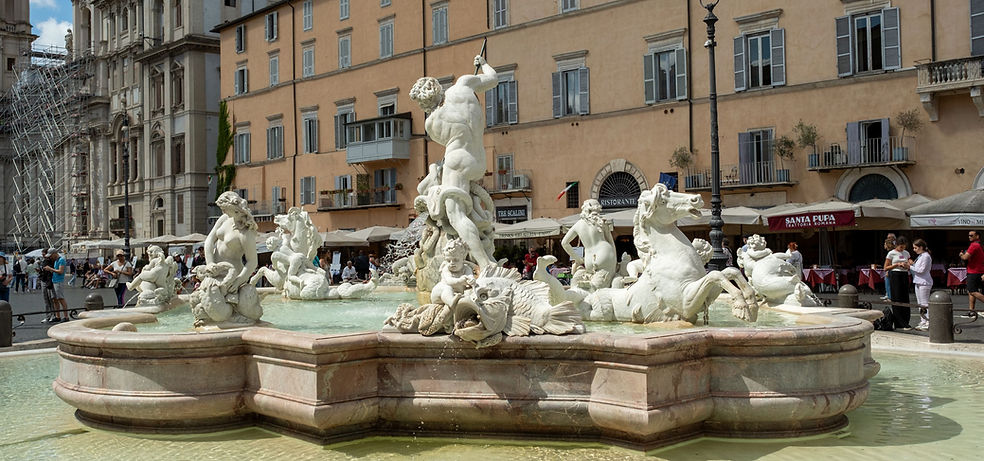
The historic centre of Rome — the Colosseum, Forum, Pantheon, Trevi Fountain, Piazza Navona, and Vatican area — is largely walkable, though distances are greater than they appear on maps. Comfortable footwear with good grip is essential for the extensive cobbled surfaces.
PRACTICAL INFORMATION
Before you arrive
Key practical details to help delegates from across the GCC, Africa, and Asia prepare for a comfortable and productive visit to Rome.
Topic
Information
Currency
Euro (EUR). Contactless and card payments are widely accepted. Carrying a modest amount of cash is advisable for smaller establishments, markets, and taxis. ATMs are available throughout the city centre and at Fiumicino Airport.
Time Zone
CET (UTC+1) in winter and CEST (UTC+2) in summer. Rome is 2 hours behind Riyadh, 3 hours behind Dubai, 2 hours behind Nairobi, and 1 hour ahead of London in winter.
Electricity
Type C and F plugs (two round pins), 230V / 50Hz. Delegates from the GCC, Africa, and Asia will require a European travel adaptor. UK delegates will also require an adaptor. Available at Fiumicino Airport and throughout the city.
Halal Dining
Rome has a growing halal food scene, reflecting its increasingly diverse population. Halal-certified restaurants are available throughout the city, with a particularly strong concentration in the Pigneto, Piazza Vittorio, and Esquilino areas. Arabic, Turkish, and international halal options are available near most central training venues and hotels.
Places of Worship
Rome has several mosques including the Rome Mosque in Parioli — one of the largest in Europe. A Qibla direction indicator is available on request at most international hotels. Muslim delegates are advised that the Muslim Pro app provides accurate prayer times and Qibla direction worldwide. Christian delegates are exceptionally well served — Rome is the centre of global Catholicism and has hundreds of historic churches of every Christian denomination throughout the city.
Language
Italian is the official language. English is widely spoken in hotels, business settings, and tourist areas throughout central Rome. All training courses are delivered in English. Basic Italian phrases such as Grazie (thank you) and Buongiorno (good morning) are warmly received.
Ready to train in Rome?
Browse our full programme of courses and reserve your place today.
