
Vienna, Austria
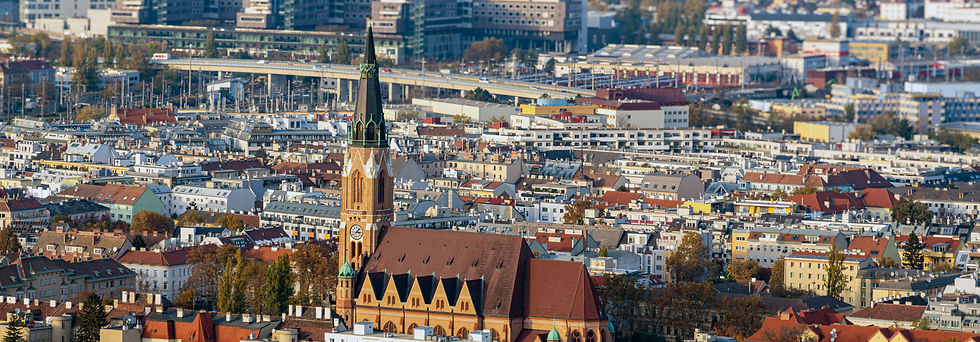
Consistently ranked the world's most liveable city, Vienna offers professionals an unparalleled combination of imperial grandeur, intellectual heritage, and modern European business infrastructure — a truly distinctive setting for professional development.
WHY VIENNA
The world's most liveable city
Vienna has topped the Economist Intelligence Unit's Global Liveability Index for six consecutive years — a distinction that speaks directly to the quality of its infrastructure, safety, healthcare, and cultural richness. For professionals travelling from the GCC, Africa, and Asia, Vienna offers a supremely comfortable, safe, and intellectually stimulating training environment.
International organisations hub
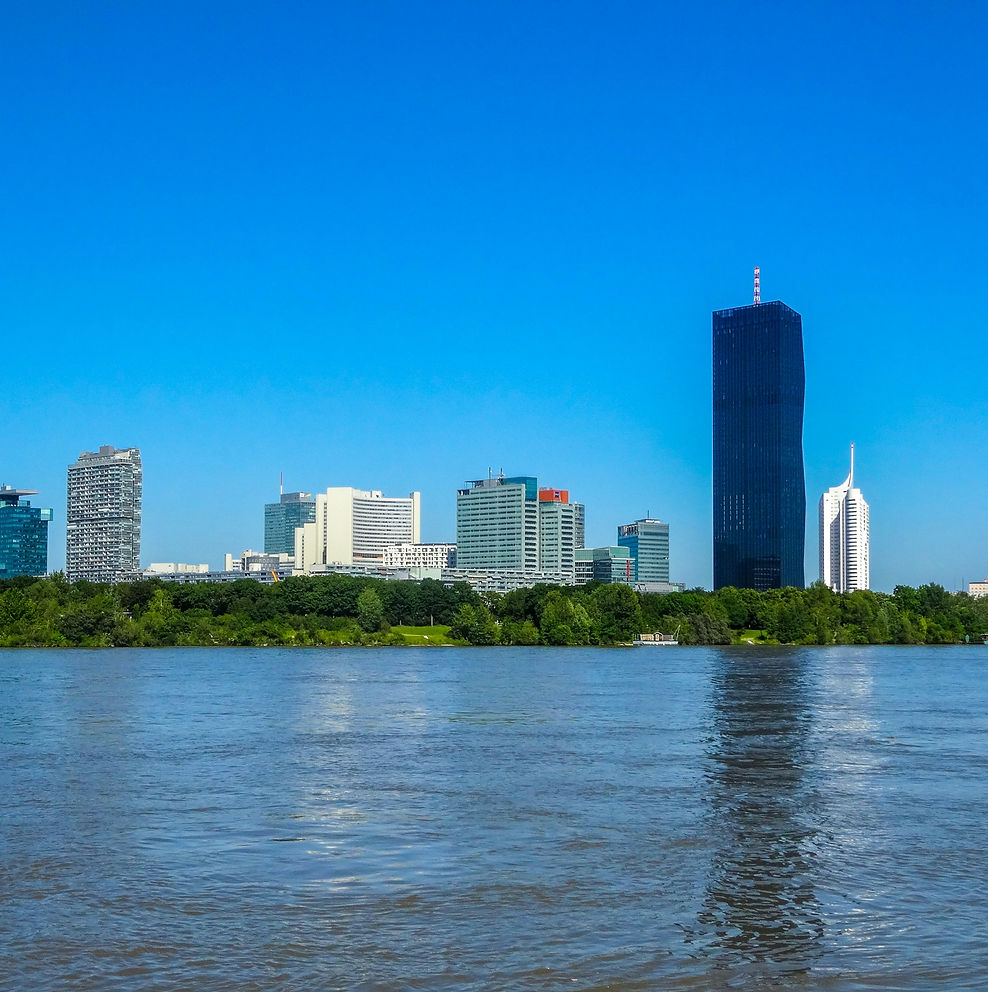
One of four official UN headquarters cities, alongside New York, Geneva, and Nairobi. Home to OPEC, IAEA, and UNIDO — highly relevant for energy and public sector delegates.
Well connected
Vienna International Airport (VIE) offers direct or one-stop connections from Riyadh, Dubai, Doha, Nairobi, Accra, Lagos, and Entebbe via major hub carriers.
Exceptionally safe
Consistently ranked among the world's safest cities. An ideal destination for first-time European visitors who value a secure and well-organised urban environment.
Intellectual prestige
The city of Freud, Mozart, Beethoven, and Klimt. Vienna's intellectual and artistic heritage creates an environment that genuinely stimulates creative and strategic thinking.
CULTURE & ATTRACTIONS
Beyond the classroom
Vienna is one of the great cultural capitals of the world. Its imperial palaces, world-class art collections, and magnificent architecture create an after-hours experience unlike any other European city — all within easy reach of central training venues.
Attraction
What to expect
Schönbrunn Palace
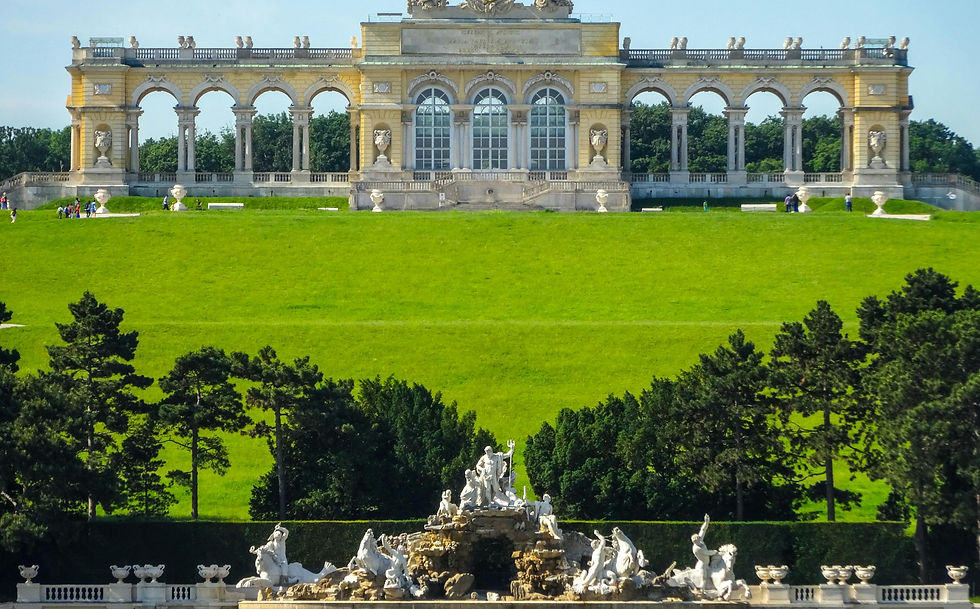
The former summer residence of the Habsburg imperial family. A UNESCO World Heritage Site with 1,441 rooms and 160 hectares of baroque gardens open to visitors.
Hofburg Palace
The vast imperial palace complex at the heart of Vienna — home to the Imperial Apartments, the Habsburg Treasury, and the Spanish Riding School.
Kunsthistorisches Museum
One of the world's great art museums, housing the Habsburg imperial art collection — Raphael, Vermeer, Rembrandt, Titian, and an extraordinary Egyptian antiquities collection.
Belvedere Palace & Gardens
A baroque masterpiece housing Austria's finest art collection, including Klimt's iconic The Kiss. The formal gardens are among the most beautiful in central Europe.
St Stephen's Cathedral
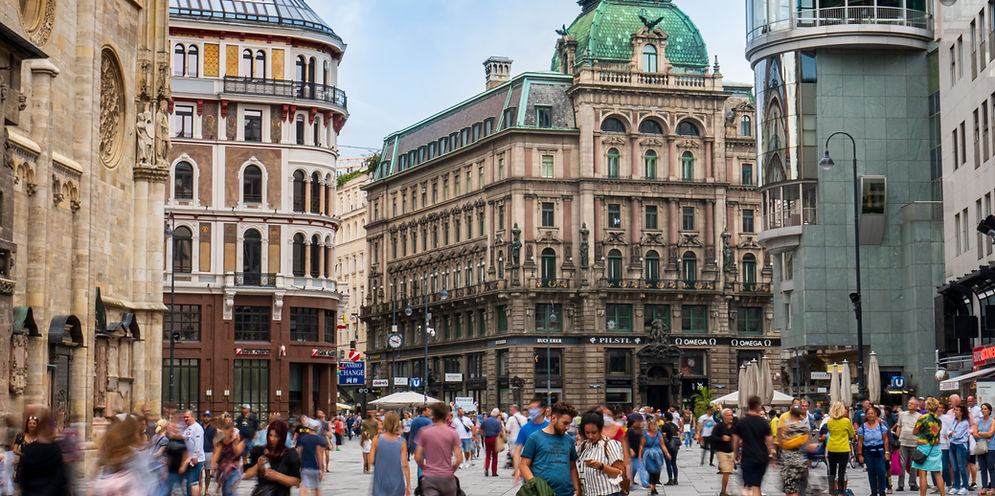
Vienna's defining landmark — a magnificent Gothic cathedral at the heart of the Innere Stadt, with sweeping views from its 136-metre South Tower.
The Ringstrasse
Vienna's grand ceremonial boulevard, lined with monumental 19th-century buildings including the Opera House, Parliament, and Rathaus — a remarkable architectural promenade.
Prater & Giant Ferris Wheel
Vienna's historic pleasure garden, home to the 1897 Riesenrad (Giant Ferris Wheel) — one of the oldest surviving ferris wheels in the world and an iconic city landmark.
Naschmarkt
Vienna's most celebrated open-air market, stretching over 1.5 kilometres along the Wienzeile. Over 120 stalls offering produce, spices, and international foods from around the world.
WEATHER
What to expect throughout the year
Vienna has a continental climate with warm summers, cold winters, and four well-defined seasons. Spring and autumn are particularly pleasant for combining training with city exploration. Summers are warm and sunny; winters are cold, but the city remains fully vibrant year-round.
Season
Temperature
Notes
Spring (Mar–May)
5°C – 18°C
Mild and brightening. Blossoms in the palace gardens. Excellent conditions for exploring the historic centre on foot.
Summer (Jun–Aug)
16°C – 28°C
Warm and sunny. Lively outdoor scene. Occasional thunderstorms in July and August. Long daylight hours.
Autumn (Sep–Nov)
6°C – 18°C
Crisp and colourful. Excellent for exploring palaces and parks. September is particularly agreeable.
Winter (Dec–Feb)
-2°C – 5°C
Cold and occasionally snowy. A magical festive atmosphere from late November through January.
Dress Code Guidance
Context
Recommended Attire
Training sessions
Smart business or casual attire.
City exploration
Comfortable walking shoes are essential — Vienna's historic centre is best explored on foot. A warm coat and layers are essential from October through March. Light clothing is sufficient in summer, though evenings can be cool.
GETTING AROUND
Navigating the city
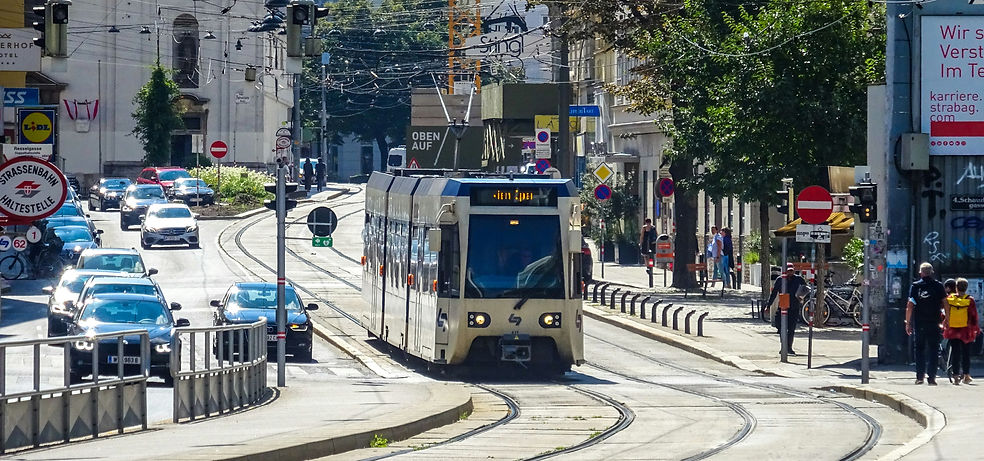
Vienna has one of the finest public transport systems in Europe — punctual, comprehensive, and straightforward to navigate. The U-Bahn, trams, and buses cover every part of the city, and the historic centre is highly walkable.
Mode
Deatils
U-Bahn (Metro)
Five lines connecting all major districts. Runs approximately 05:00 to midnight, with 24-hour service on all lines at weekends. A Vienna City Card or single journey ticket is available at all stations. Clean, punctual, and very easy to use.
Tram network
An extensive tram network criss-crosses the city, particularly within the Ringstrasse and inner districts. Trams offer a scenic and practical way to travel between the historic centre and outer neighbourhoods. All accept the Vienna City Card.
Airport connections
Vienna International Airport (VIE): the City Airport Train (CAT) reaches Wien Mitte station in 16 minutes. The S-Bahn (suburban rail) is a more economical alternative, taking approximately 25 minutes to Wien Mitte. Taxis and private transfers also widely available.
Taxis & ride-hailing
Official taxis are metered and readily available at ranks throughout the city. Uber and Bolt both operate in Vienna. The historic centre is partially pedestrianised — taxis drop off at the nearest accessible point.
Walking
The Innere Stadt (First District) is entirely walkable — most major landmarks, the Opera House, and many training venues are within 15–20 minutes of each other on foot. Walking the Ringstrasse is itself one of the great Vienna experiences.
PRACTICAL INFORMATION
Before you arrive
Key practical details to help delegates from across the GCC, Africa, and Asia prepare for a comfortable and productive visit to Vienna.
Topic
Information
Currency
Euro (€). Contactless card payments are widely accepted in hotels, restaurants, and larger shops. Some smaller establishments prefer cash — carrying a modest amount is advisable. ATMs are readily available throughout the city centre.
Time Zone
CET (UTC+1) in winter and CEST (UTC+2) in summer. Vienna keeps the same time as Paris and Amsterdam — 2 hours behind Riyadh, 3 hours behind Dubai, and 2 hours behind Nairobi in winter.
Electricity
Type C and F plugs (two round pins), 230V / 50Hz. Delegates from the GCC, Africa, and Asia will require a European travel adaptor. Available at Vienna Airport and throughout the city.
Halal Dining
Vienna has a growing halal food scene. The Naschmarkt area and the 10th, 15th, and 16th districts offer a wide variety of halal-certified restaurants. Turkish and Arab cuisine is particularly well represented across the city.
Places of Worship
The Islamic Centre Vienna (Floridsdorf) is the city's principal mosque and one of the largest in central Europe. A Qibla direction indicator is available on request at most international hotels. Muslim delegates are advised that the Muslim Pro app provides accurate prayer times and Qibla direction worldwide. Christian delegates are exceptionally well served — Vienna has hundreds of churches, including St Stephen's Cathedral and the Votivkirche.
Language
German is the official language. English is widely spoken in hotels, business settings, and tourist areas. All training courses are delivered in English. Basic German phrases such as Bitte (please) and Danke (thank you) are warmly appreciated.
Ready to train in Vienna?
Browse our full programme of courses and reserve your place today.
