
Addis Ababa, Ethiopia
The political capital of Africa and the continent's most strategically significant diplomatic city — Addis Ababa is home to the African Union, the United Nations Economic Commission for Africa, and over 100 foreign embassies, making it one of the most important and symbolically resonant training destinations on the continent.
WHY ADDIS ABABA
The capital of Africa
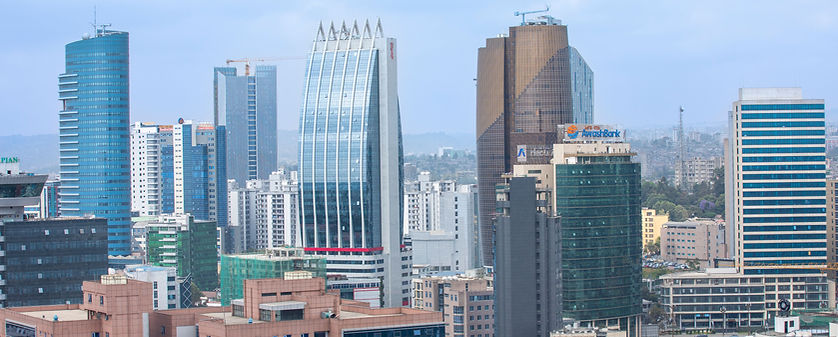
Addis Ababa is unlike any other city on the African continent — the permanent seat of the African Union, host to the United Nations Economic Commission for Africa (UNECA), and home to the largest diplomatic community in Africa. For professionals working in government, public sector, development finance, energy, and international organisations across the continent, Addis Ababa is not merely a training venue — it is the city where Africa's institutional architecture is built, debated, and delivered.
Africa's diplomatic capital
Permanent seat of the African Union and host to UNECA — the continent's principal economic policy institution. Over 100 foreign embassies and the headquarters of major international development organisations.
Africa's aviation hub
Addis Ababa Bole International Airport (ADD) is Africa's busiest hub airport. Ethiopian Airlines connects Addis Ababa directly to more African destinations than any other airline — and to London, Dubai, Riyadh, Doha, and major global cities.
One of Africa's fastest-growing economies
Ethiopia has been among the fastest-growing economies in Africa for over a decade — a city visibly reinventing itself with rapid infrastructure investment, a growing middle class, and increasing international business engagement.
Excellent value
Addis Ababa offers outstanding value for money — high-quality international hotels, world-class conference facilities, and professional services at a significantly lower cost than any European or GCC training destination.
Beyond the classroom
CULTURE & ATTRACTIONS
Addis Ababa is a city of profound historical and cultural depth — the custodian of some of the most significant artefacts of human prehistory and African civilisation, set within a highland landscape of extraordinary natural beauty and surrounded by a country of remarkable diversity.
Attraction
What to expect
National Museum of Ethiopia
Home to Lucy (Australopithecus afarensis) — the 3.2-million-year-old hominid skeleton discovered in 1974 and one of the most significant palaeontological finds in human history. The museum also houses outstanding collections of Ethiopian royal regalia and prehistoric artefacts.
African Union Headquarters
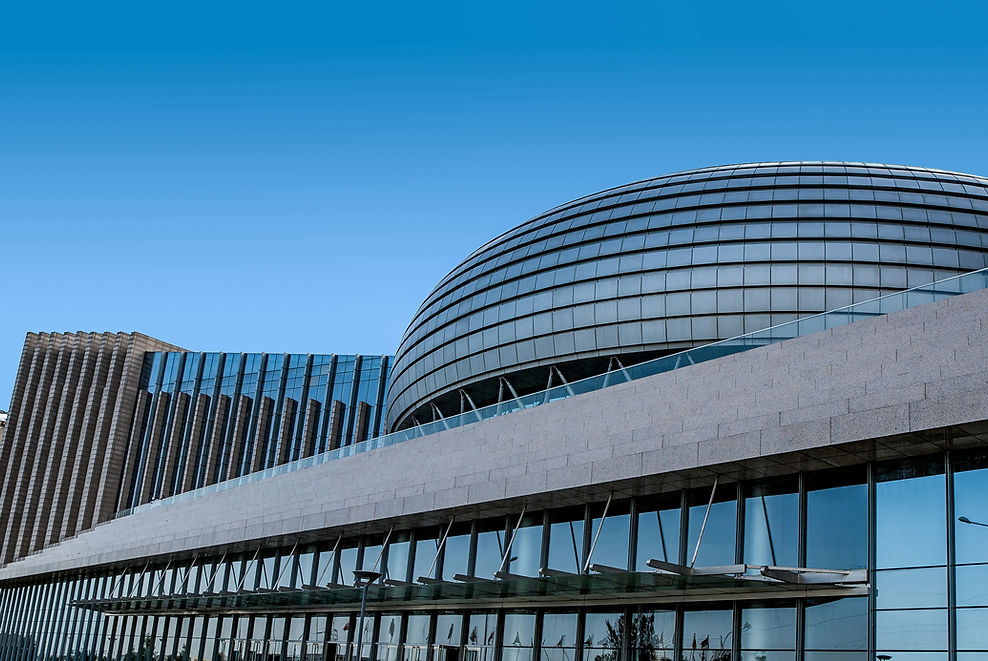
The continent's principal institutional building — its striking Conference Centre and landmark tower are the symbolic heart of pan-African governance. The AU campus is open to visitors on guided tours.
Entoto Mountain & St Mary's Church
The forested highland above the city — the site of Emperor Menelik II's original capital, with St Mary's Church and a small museum. Spectacular panoramic views across Addis Ababa and the surrounding highlands.
Merkato Market
The largest open-air market in Africa — a vast, labyrinthine grid of stalls covering several square kilometres. An extraordinary and entirely authentic immersion in Ethiopian commercial and daily life.
Blue Nile Falls (excursion)
Ethiopia's extraordinary natural landscape is accessible by short flights from Addis Ababa — from the thundering Blue Nile Falls near Bahir Dar to the ancient monasteries of Tigray perched on sheer cliff faces.
Ethnological Museum (Haile Selassie's Palace)
Housed in the former palace of Emperor Haile Selassie on the Addis Ababa University campus — outstanding collections of Ethiopian cultural artefacts, ceremonial objects, and royal memorabilia.
Lalibela (excursion)
A 90-minute flight from Addis Ababa. The rock-hewn churches of Lalibela — carved from solid volcanic rock in the 12th century — are a UNESCO World Heritage Site and one of the most extraordinary architectural achievements in the world.
WEATHER
What to expect throughout the year
Addis Ababa sits at an altitude of 2,355 metres above sea level — giving it a remarkably mild and temperate climate year-round, far cooler than most African cities at similar latitudes. The dry seasons offer the most comfortable conditions for training and outdoor exploration.
Season
Temperature
Notes
Dry season (Oct–May)
10°C – 23°C
Cool mornings, warm afternoons, and mostly clear skies. The finest season for training and city exploration. Short rains possible in February and March.
Rainy season (Jun–Sep)
10°C – 20°C
Regular afternoon rain. Still mild and manageable at altitude. Training continues normally indoors throughout.
Dress Code Guidance
Recommended Attire
Context
Training sessions
Regular afternoon rain. Still mild and manageable at altitude. Training continues normally indoors throughout.
City Exploration
Light to medium layers are comfortable year-round given the mild altitude climate. A light rain jacket is advisable during the rainy season. Comfortable walking shoes recommended. Sun protection advisable — UV levels are higher at altitude than at sea level.
GETTING AROUND
Navigating the city
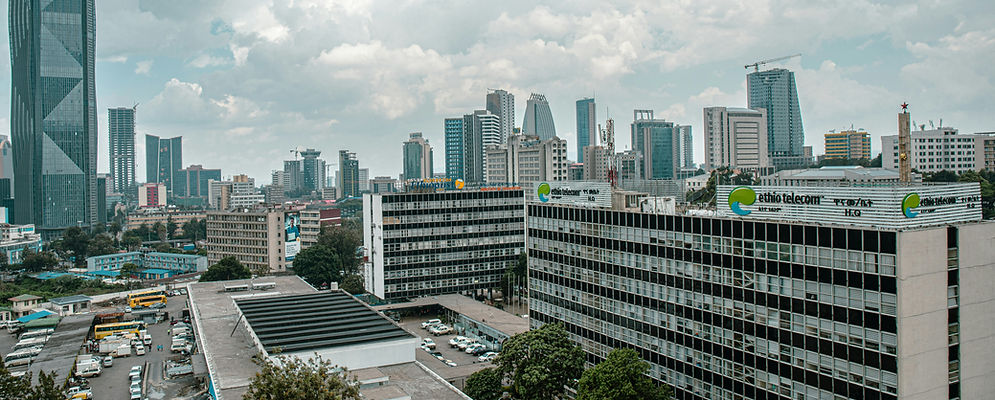
Addis Ababa is best navigated by taxi or ride-hailing service for most journeys. The Addis Ababa Light Rail Transit system serves key corridors. Traffic congestion during peak hours can be significant — delegates are advised to allow additional travel time.
Mode
Deatils
Taxis & ride-hailing
Ride apps including Ride and inDriver operate in Addis Ababa and are the most practical options for delegates. Metered taxis are also widely available at major hotels and the airport. Ride-hailing is strongly recommended over hailing taxis on the street for unfamiliar visitors.
Airport connections
Addis Ababa Bole International Airport (ADD) is approximately 5 kilometres from the city centre — approximately 15-30 minutes by taxi or ride-hailing depending on traffic. The airport is Africa's busiest hub, modern, and efficiently managed.
Light Rail Transit (LRT)
Addis Ababa's Light Rail Transit — the first urban light rail system in sub-Saharan Africa — operates two lines crossing the city on an east-west and north-south axis. A practical and affordable option for delegates staying along the main LRT corridors. Runs approximately 06:00 to 22:00 daily.
Car hire
Available at the airport and from established operators in the city. Recommended for delegates wishing to visit Entoto Mountain or arrange onward travel. An international driving permit is recommended alongside a valid national licence.
Walking
The Bole Road area and certain central districts are pleasant to walk during daylight hours. Delegates are advised to use ride-hailing after dark. The high altitude means even modest walks can feel more exerting than expected — allow a day to acclimatise before intensive outdoor activity.
PRACTICAL INFORMATION
Before you arrive
Key practical details to help delegates from across the GCC, Africa, and Asia prepare for a comfortable and productive visit to Accra.
Topic
Information
Currency
Ethiopian Birr (ETB). Card payments accepted at major international hotels. Carrying cash is strongly advisable for markets, smaller establishments, and local transport. ATMs are available at Bole Airport and throughout the city — withdrawing cash on arrival at the airport is recommended.
Time Zone
EAT (UTC+3) year-round. Addis Ababa is on the same time as Nairobi, Riyadh, and Doha. It is 1 hour behind Dubai, and 3 hours ahead of London in winter. Note that Ethiopia uses its own 13-month calendar system, approximately 7-8 years behind the Gregorian calendar.
Electricity
Type C and L plugs (two round pins), 220V / 50Hz. Delegates from the GCC, Africa, and Asia will require a European-style adaptor. Available at Bole Airport and major supermarkets. Most international hotels have backup generators for occasional power outages.
Places of Worship
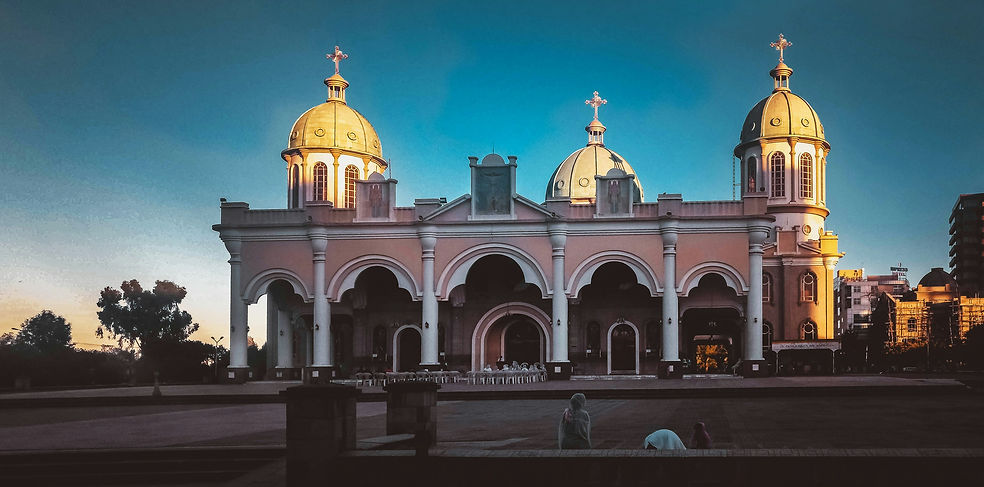
Addis Ababa has numerous mosques — the Anwar Mosque near Mercato is one of the most significant in East Africa. A Qibla direction indicator is available on request at most international hotels. Muslim delegates are advised that the Muslim Pro app provides accurate prayer times and Qibla direction worldwide. Christian delegates are exceptionally well served — Ethiopia is one of the world's oldest Christian nations, with Ethiopian Orthodox, Catholic, and Protestant churches throughout the city, including the magnificent Holy Trinity Cathedral.
Halal Dining
Ethiopia has a significant Muslim population and an excellent halal food scene throughout Addis Ababa. Halal-certified restaurants are widely available, with a strong concentration of Ethiopian, Somali, Arab, and international halal options in the Bole, Kazanchis, and Piassa areas near major training hotels.
Ready to train in Addis Ababa?
Browse our full programme of courses and reserve your place today.
